SmarterArticles

SurveillanceEthics

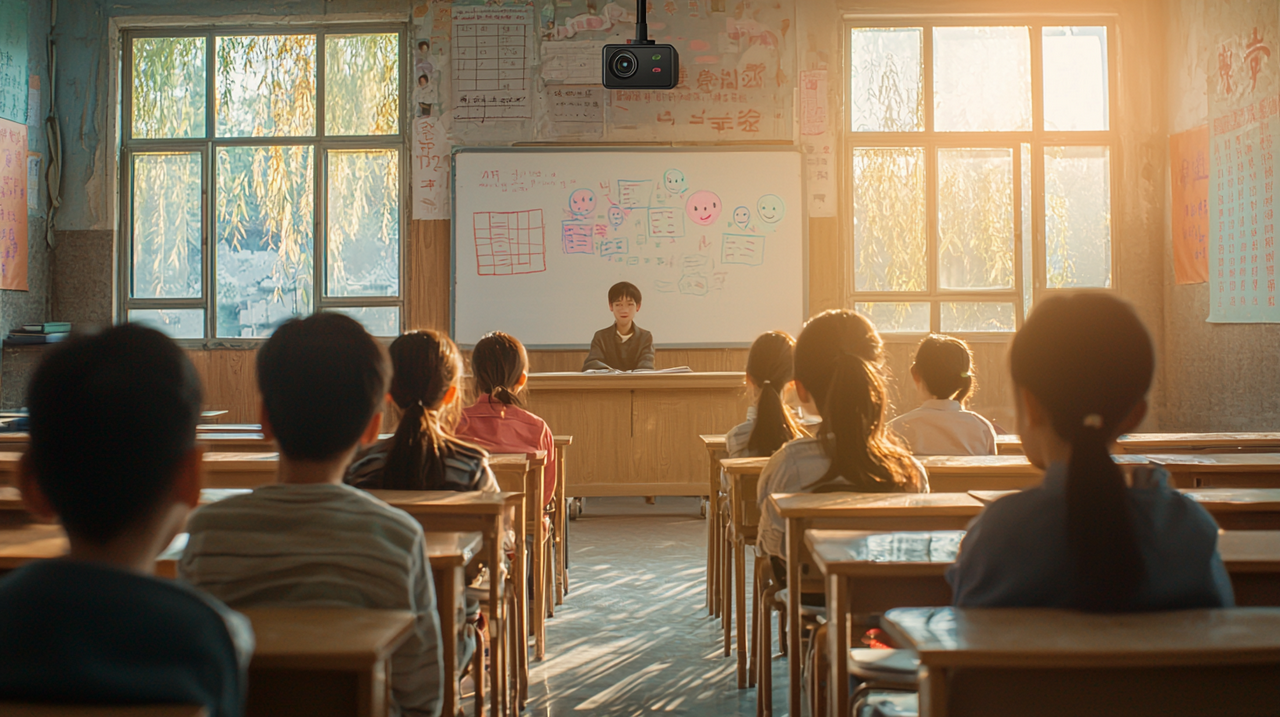
In a secondary school in Hangzhou, China, three cameras positioned above the blackboard scan the classroom every thirty seconds. The system logs facial expressions, categorising them into seven emotional states: happy, sad, afraid, angry, disgusted, surprised, and neutral. It tracks six types of behaviour: reading, writing, hand raising, standing up, listening to the teacher, and leaning on the desk. When a student's attention wavers, the system alerts the teacher. One student later admitted to reporters: “Previously when I had classes that I didn't like very much, I would be lazy and maybe take a nap on the desk or flick through other textbooks. But I don't dare be distracted since the cameras were installed. It's like a pair of mystery eyes constantly watching me.”

This isn't a scene from a dystopian novel. It's happening now, in thousands of classrooms worldwide, as artificial intelligence-powered facial recognition technology transforms education into a laboratory for mass surveillance. The question we must confront isn't whether this technology works, but rather what it's doing to an entire generation's understanding of privacy, autonomy, and what it means to be human in a democratic society.

The Architecture of Educational Surveillance

The modern classroom is becoming a data extraction facility. Companies like Hikvision, partnering with educational technology firms such as ClassIn, have deployed systems across 80,000 educational institutions in 160 countries, affecting 50 million teachers and students. These aren't simple security cameras; they're sophisticated AI systems capable of micro-analysing human behaviour at a granular level previously unimaginable.

At China Pharmaceutical University in Nanjing, facial recognition cameras monitor not just the university gate, but entrances to dormitories, libraries, laboratories, and classrooms. The system doesn't merely take attendance: it creates detailed behavioural profiles of each student, tracking their movements, associations, and even their emotional states throughout the day. An affiliated elementary school of Shanghai University of Traditional Chinese Medicine has gone further, implementing three sets of “AI+School” systems that monitor both teachers and students continuously.

The technology's sophistication is breathtaking. Recent research published in academic journals describes systems achieving 97.08% accuracy in emotion recognition. These platforms use advanced neural networks like ResNet50, CBAM, and TCNs to analyse facial expressions in real-time. They can detect when a student is confused, bored, or engaged, creating what researchers call “periodic image capture and facial data extraction” profiles that follow students throughout their educational journey.

But China isn't alone in this educational surveillance revolution. In the United States, companies like GoGuardian, Gaggle, and Securly monitor millions of students' online activities. GoGuardian alone watches over 22 million students, scanning everything from search queries to document content. The system generates up to 50,000 warnings per day in large school districts, flagging students for viewing content that algorithms deem inappropriate. Research by the Electronic Frontier Foundation found that GoGuardian functions as “a red flag machine,” with false positives heavily outweighing its ability to accurately determine harmful content.

In the UK, despite stricter data protection regulations, schools are experimenting with facial recognition for tasks ranging from attendance tracking to canteen payments. North Ayrshire Council deployed facial recognition in nine school canteens, affecting 2,569 pupils, while Chelmer Valley High School implemented the technology without proper consent procedures or data protection impact assessments, drawing warnings from the Information Commissioner's Office.

The Psychology of Perpetual Observation

The philosophical framework for understanding these systems isn't new. Jeremy Bentham's panopticon, reimagined by Michel Foucault, described a prison where the possibility of observation alone would be enough to ensure compliance. The inmates, never knowing when they were being watched, would modify their behaviour permanently. Today's AI-powered classroom surveillance creates what researchers call a “digital panopticon,” but with capabilities Bentham could never have imagined.

Dr. Helen Cheng, a researcher at the University of Edinburgh studying educational technology's psychological impacts, explains: “When students know they're being watched and analysed constantly, it fundamentally alters their relationship with learning. They stop taking intellectual risks, stop daydreaming, stop engaging in the kind of unfocused thinking that often leads to creativity and innovation.” Her research, involving 71 participants across multiple institutions, found that students under AI monitoring reported increased anxiety, altered behaviour patterns, and threats to their sense of autonomy and identity formation.

The psychological toll extends beyond individual stress. The technology creates what researchers term “performative classroom culture,” where students learn to perform engagement rather than genuinely engage. They maintain acceptable facial expressions, suppress natural reactions, and constantly self-monitor their behaviour. This isn't education; it's behavioural conditioning on an industrial scale.

Consider the testimony of Zhang Wei, a 16-year-old student in Beijing (name changed for privacy): “We learn to game the system. We know the camera likes it when we nod, so we nod. We know it registers hand-raising as participation, so we raise our hands even when we don't have questions. We're not learning; we're performing learning for the machines.”

This performative behaviour has profound implications for psychological development. Adolescence is a critical period for identity formation, when young people need space to experiment, make mistakes, and discover who they are. Constant surveillance eliminates this crucial developmental space. Dr. Sarah Richmond, a developmental psychologist at Cambridge University, warns: “We're creating a generation that's learning to self-censor from childhood. They're internalising surveillance as normal, even necessary. The long-term psychological implications are deeply concerning.”

The Normalisation Machine

Perhaps the most insidious aspect of educational surveillance is how quickly it becomes normalised. Research from UCLA's Centre for Scholars and Storytellers reveals that Generation Z prioritises safety above almost all other values, including privacy. Having grown up amid school shootings, pandemic lockdowns, and economic uncertainty, today's students often view surveillance as a reasonable trade-off for security.

This normalisation happens through what researchers call “surveillance creep”: the gradual expansion of monitoring systems beyond their original purpose. What begins as attendance tracking expands to emotion monitoring. What starts as protection against violence becomes behavioural analysis. Each step seems logical, even beneficial, but the cumulative effect is a comprehensive surveillance apparatus that would have been unthinkable a generation ago.

The technology industry has been remarkably effective at framing surveillance as care. ClassDojo, used in 95% of American K-8 schools, gamifies behavioural monitoring, awarding points for compliance and deducting them for infractions. The system markets itself as promoting “growth mindsets” and “character development,” but researchers describe it as facilitating “psychological surveillance through gamification techniques” that function as “persuasive technology” of “psycho-compulsion.”

Parents, paradoxically, often support these systems. In China, some parent groups actively fundraise to install facial recognition in their children's classrooms. In the West, parents worried about school safety or their children's online activities often welcome monitoring tools. They don't see surveillance; they see safety. They don't see control; they see care.

But this framing obscures the technology's true nature and effects. As Clarence Okoh from Georgetown University Law Centre's Centre on Privacy and Technology observes: “School districts across the country are spending hundreds of thousands of dollars on contracts with monitoring vendors without fully assessing the privacy and civil rights implications. They're sold on promises of safety that often don't materialise, while the surveillance infrastructure remains and expands.”

The Effectiveness Illusion

Proponents of classroom surveillance argue that the technology improves educational outcomes. Chinese schools using facial recognition report a 15.3% increase in attendance rates. Administrators claim the systems help identify struggling students earlier, allowing for timely intervention. Technology companies present impressive statistics about engagement improvement and learning optimisation.

Yet these claims deserve scrutiny. The attendance increase could simply reflect students' fear of punishment rather than genuine engagement with education. The behavioural changes observed might represent compliance rather than learning. Most critically, there's little evidence that surveillance actually improves educational outcomes in any meaningful, long-term way.

Dr. Marcus Thompson, an education researcher at MIT, conducted a comprehensive meta-analysis of surveillance technologies in education. His findings are sobering: “We found no significant correlation between surveillance intensity and actual learning outcomes. What we did find was increased stress, decreased creativity, and a marked reduction in intellectual risk-taking. Students under surveillance learn to give the appearance of learning without actually engaging deeply with material.”

The false positive problem is particularly acute. GoGuardian's system generates thousands of false alerts daily, flagging educational content about topics like breast cancer, historical events involving violence, or literary works with mature themes. Teachers and administrators, overwhelmed by the volume of alerts, often can't distinguish between genuine concerns and algorithmic noise. The result is a system that creates more problems than it solves while maintaining the illusion of enhanced safety and productivity.

Moreover, the technology's effectiveness claims often rely on metrics that are themselves problematic. “Engagement” as measured by facial recognition: does maintaining eye contact with the board actually indicate learning? “Attention” as determined by posture analysis: does sitting upright mean a student is absorbing information? These systems mistake the external performance of attention for actual cognitive engagement, creating a cargo cult of education where the appearance of learning becomes more important than learning itself.

The Discrimination Engine

Surveillance technologies in education don't affect all students equally. The systems consistently demonstrate racial bias, with facial recognition algorithms showing higher error rates for students with darker skin tones. They misinterpret cultural differences in emotional expression, potentially flagging students from certain backgrounds as disengaged or problematic at higher rates.

Research has shown that schools serving predominantly minority populations are more likely to implement comprehensive surveillance systems. These schools, often in urban environments with higher proportions of students of colour, increasingly resemble prisons with their windowless environments, metal detectors, and extensive camera networks. The surveillance apparatus becomes another mechanism for the school-to-prison pipeline, conditioning marginalised students to accept intensive monitoring as their normal.

Dr. Ruha Benjamin, a sociologist at Princeton University studying race and technology, explains: “These systems encode existing biases into algorithmic decision-making. A Black student's neutral expression might be read as angry. A neurodivergent student's stimming might be flagged as distraction. The technology doesn't eliminate human bias; it amplifies and legitimises it through the veneer of scientific objectivity.”

The discrimination extends beyond race. Students with ADHD, autism, or other neurodevelopmental differences find themselves constantly flagged by systems that interpret their natural behaviours as problematic. Students from lower socioeconomic backgrounds, who might lack access to technology at home and therefore appear less “digitally engaged,” face disproportionate scrutiny.

Consider the case of Marcus Johnson, a 14-year-old Black student with ADHD in a Chicago public school. The facial recognition system consistently flagged him as “disengaged” because he fidgeted and looked away from the board: coping mechanisms that actually helped him concentrate. His teachers, responding to the system's alerts, repeatedly disciplined him for behaviours that were manifestations of his neurodiversity. His mother eventually withdrew him from the school, but not every family has that option.

The Data Industrial Complex

Educational surveillance generates enormous amounts of data, creating what critics call the “educational data industrial complex.” Every facial expression, every keystroke, every moment of attention or inattention becomes a data point in vast databases controlled by private companies with minimal oversight.

This data's value extends far beyond education. Companies developing these systems use student data to train their algorithms, essentially using children as unpaid subjects in massive behavioural experiments. The data collected could theoretically follow students throughout their lives, potentially affecting future educational opportunities, employment prospects, or even social credit scores in countries implementing such systems.

The lack of transparency is staggering. Most parents and students don't know what data is collected, how it's stored, who has access to it, or how long it's retained. Educational technology companies often bury crucial information in lengthy terms of service documents that few read. When pressed, companies cite proprietary concerns to avoid revealing their data practices.

In 2024, researchers discovered numerous instances of “shadow AI”: unapproved applications and browser extensions processing student data without institutional knowledge. These tools, often free and widely adopted, operate outside policy frameworks, creating vast data leakage vulnerabilities. Student information, including behavioural profiles and academic performance, potentially flows to unknown third parties for purposes that remain opaque.

The long-term implications are chilling. Imagine a future where employers can access your entire educational behavioural profile: every moment you appeared bored in maths class, every time you seemed distracted during history, every emotional reaction recorded and analysed. This isn't science fiction; it's the logical endpoint of current trends unless we intervene.

Global Variations, Universal Concerns

The implementation of educational surveillance varies globally, reflecting different cultural attitudes toward privacy and authority. China's enthusiastic adoption reflects a society with different privacy expectations and a more centralised educational system. The United States' patchwork approach mirrors its fragmented educational landscape and ongoing debates about privacy rights. Europe's more cautious stance reflects stronger data protection traditions and regulatory frameworks.

Yet despite these variations, the trend is universal: toward more surveillance, more data collection, more algorithmic analysis of student behaviour. The technology companies driving this trend operate globally, adapting their marketing and features to local contexts while pursuing the same fundamental goal: normalising surveillance in educational settings.

In Singapore, the government has invested heavily in “Smart Nation” initiatives that include extensive educational technology deployment. In India, biometric attendance systems are becoming standard in many schools. In Brazil, facial recognition systems are being tested in public schools despite significant opposition from privacy advocates. Each implementation is justified with local concerns: efficiency in Singapore, attendance in India, security in Brazil. But the effect is the same: conditioning young people to accept surveillance as normal.

The COVID-19 pandemic accelerated this trend dramatically. Remote learning necessitated new forms of monitoring, with proctoring software scanning students' homes, keyboard monitoring tracking every keystroke, and attention-tracking software ensuring students watched lectures. What began as emergency measures are becoming permanent features of educational infrastructure.

Resistance and Alternatives

Not everyone accepts this surveillance future passively. Students, parents, educators, and civil rights organisations are pushing back against the surveillance education complex, though their efforts face significant challenges.

In 2023, students at several UK universities organised protests against facial recognition systems, arguing that the technology violated their rights to privacy and freedom of expression. Their campaign, “Books Not Big Brother,” gained significant media attention and forced several institutions to reconsider their surveillance plans.

Parents in the United States have begun organising to demand transparency from school districts about surveillance technologies. Groups like Parent Coalition for Student Privacy lobby for stronger regulations and give parents tools to understand and challenge surveillance systems. Their efforts have led to policy changes in several states, though implementation remains inconsistent.

Some educators are developing alternative approaches that prioritise student autonomy and privacy while maintaining safety and engagement. These include peer support systems, restorative justice programmes, and community-based interventions that address the root causes of educational challenges rather than simply monitoring symptoms.

Dr. Elena Rodriguez, an education reformer at the University of Barcelona, has developed what she calls “humanistic educational technology”: systems that empower rather than surveil. “Technology should amplify human connection, not replace it,” she argues. “We can use digital tools to facilitate learning without turning classrooms into surveillance laboratories.”

Her approach includes collaborative platforms where students control their data, assessment systems based on portfolio work rather than constant monitoring, and technology that facilitates peer learning rather than algorithmic evaluation. Several schools in Spain and Portugal have adopted her methods, reporting improved student wellbeing and engagement without surveillance.

The Future We're Creating

The implications of educational surveillance extend far beyond the classroom. We're conditioning an entire generation to accept constant monitoring as normal, even beneficial. Young people who grow up under surveillance learn to self-censor, to perform rather than be, to accept that privacy is a luxury they cannot afford.

This conditioning has profound implications for democracy. Citizens who've internalised surveillance from childhood are less likely to challenge authority, less likely to engage in dissent, less likely to value privacy as a fundamental right. They've been trained to accept that being watched is being cared for, that surveillance equals safety, that privacy is suspicious.

Consider what this means for future societies. Workers who accept workplace surveillance without question because they've been monitored since kindergarten. Citizens who see nothing wrong with facial recognition in public spaces because it's simply an extension of what they experienced in school. Voters who don't understand privacy as a political issue because they've never experienced it as a personal reality.

The technology companies developing these systems aren't simply creating products; they're shaping social norms. Every student who graduates from a surveilled classroom carries those norms into adulthood. Every parent who accepts surveillance as necessary for their child's safety reinforces those norms. Every educator who implements these systems without questioning their implications perpetuates those norms.

We're at a critical juncture. The decisions we make now about educational surveillance will determine not just how our children learn, but what kind of citizens they become. Do we want a generation that values conformity over creativity, compliance over critical thinking, surveillance over privacy? Or do we want to preserve space for the kind of unmonitored, unsurveilled development that allows young people to become autonomous, creative, critical thinkers?

The Path Forward

Addressing educational surveillance requires action on multiple fronts. Legally, we need comprehensive frameworks that protect student privacy while allowing beneficial uses of technology. The European Union's GDPR provides a model, but even it struggles with the rapid pace of technological change. The United States' patchwork of state laws creates gaps that surveillance companies exploit. Countries without strong privacy traditions face even greater challenges.

Technically, we need to demand transparency from surveillance technology companies. Open-source algorithms, public audits, and clear data retention policies should be minimum requirements for any system deployed in schools. The excuse of proprietary technology cannot override students' fundamental rights to privacy and dignity.

Educationally, we need to reconceptualise what safety and engagement mean in learning environments. Safety isn't just the absence of physical violence; it's the presence of psychological security that allows students to take intellectual risks. Engagement isn't just looking at the teacher; it's the deep cognitive and emotional investment in learning that surveillance actually undermines.

Culturally, we need to challenge the normalisation of surveillance. This means having difficult conversations about the trade-offs between different types of safety, about what we lose when we eliminate privacy, about what kind of society we're creating for our children. It means resisting the tempting narrative that surveillance equals care, that monitoring equals protection.

Parents must demand transparency and accountability from schools implementing surveillance systems. They should ask: What data is collected? How is it stored? Who has access? How long is it retained? What are the alternatives? These aren't technical questions; they're fundamental questions about their children's rights and futures.

Educators must resist the temptation to outsource human judgment to algorithms. The ability to recognise when a student is struggling, to provide support and encouragement, to create safe learning environments: these are fundamentally human skills that no algorithm can replicate. Teachers who rely on facial recognition to tell them when students are confused abdicate their professional responsibility and diminish their human connection with students.

Students themselves must be empowered to understand and challenge surveillance systems. Digital literacy education should include critical analysis of surveillance technologies, privacy rights, and the long-term implications of data collection. Young people who understand these systems are better equipped to resist them.

At the heart of the educational surveillance debate is the question of consent. Children cannot meaningfully consent to comprehensive behavioural monitoring. They lack the cognitive development to understand long-term consequences, the power to refuse, and often even the knowledge that they're being surveilled.

Parents' consent is similarly problematic. Many feel they have no choice: if the school implements surveillance, their only option is to accept it or leave. In many communities, leaving isn't a realistic option. Even when parents do consent, they're consenting on behalf of their children to something that will affect them for potentially their entire lives.

The UK's Information Commissioner's Office has recognised this problem, requiring explicit opt-in consent for facial recognition in schools and emphasising that children's data deserves special protection. But consent frameworks designed for adults making discrete choices don't adequately address the reality of comprehensive, continuous surveillance of children in compulsory educational settings.

We need new frameworks for thinking about consent in educational contexts. These should recognise children's evolving capacity for decision-making, parents' rights and limitations in consenting on behalf of their children, and the special responsibility educational institutions have to protect students' interests.

Reimagining Educational Technology

The tragedy of educational surveillance isn't just what it does, but what it prevents us from imagining. The resources invested in monitoring students could be used to reduce class sizes, provide mental health support, or develop genuinely innovative educational approaches. The technology used to surveil could be repurposed to empower.

Imagine educational technology that enhances rather than monitors: adaptive learning systems that respond to student needs without creating behavioural profiles, collaborative platforms that facilitate peer learning without surveillance, assessment tools that celebrate diverse forms of intelligence without algorithmic judgment.

Some pioneers are already developing these alternatives. In Finland, educational technology focuses on supporting teacher-student relationships rather than replacing them. In New Zealand, schools are experimenting with student-controlled data portfolios that give young people agency over their educational records. In Costa Rica, a national programme promotes digital creativity tools while explicitly prohibiting surveillance applications.

These alternatives demonstrate that we can have the benefits of educational technology without the surveillance. We can use technology to personalise learning without creating permanent behavioural records. We can ensure student safety without eliminating privacy. We can prepare students for a digital future without conditioning them to accept surveillance.

The Urgency of Now

The window for action is closing. Every year, millions more students graduate from surveilled classrooms, carrying normalised surveillance expectations into adulthood. Every year, surveillance systems become more sophisticated, more integrated, more difficult to challenge or remove. Every year, the educational surveillance industrial complex becomes more entrenched, more profitable, more powerful.

But history shows that technological determinism isn't inevitable. Societies have rejected technologies that seemed unstoppable. They've regulated industries that seemed unregulatable. They've protected rights that seemed obsolete. The question isn't whether we can challenge educational surveillance, but whether we will.

The students in that Hangzhou classroom, watched by cameras that never blink, analysed by algorithms that never rest, performing engagement for machines that never truly see them: they represent one possible future. A future where human behaviour is constantly monitored, analysed, and corrected. Where privacy is a historical curiosity. Where being watched is so normal that not being watched feels wrong.

But they could also represent a turning point. The moment we recognised what we were doing to our children and chose a different path. The moment we decided that education meant more than compliance, that safety meant more than surveillance, that preparing young people for the future meant preserving their capacity for privacy, autonomy, and authentic self-expression.

The technology exists. The infrastructure is being built. The normalisation is underway. The question that remains is whether we'll accept this surveilled future as inevitable or fight for something better. The answer will determine not just how our children learn, but who they become and what kind of society they create.

In the end, the cameras watching students in classrooms around the world aren't just recording faces; they're reshaping souls. They're not just taking attendance; they're taking something far more precious: the right to be unobserved, to make mistakes without permanent records, to develop without constant judgment, to be human in all its messy, unquantifiable glory.

The watched classroom is becoming the watched society. The question is: will we watch it happen, or will we act?

The Choice Before Us

As I write this, millions of students worldwide are sitting in classrooms under the unblinking gaze of AI-powered cameras. Their faces are being scanned, their emotions categorised, their attention measured, their behaviour logged. They're learning mathematics and history, science and literature, but they're also learning something else: that being watched is normal, that surveillance is care, that privacy is outdated.

This isn't education; it's indoctrination into a surveillance society. Every day we allow it to continue, we move closer to a future where privacy isn't just dead but forgotten, where surveillance isn't just accepted but expected, where being human means being monitored.

The technology companies selling these systems promise safety, efficiency, and improved outcomes. They speak the language of innovation and progress. But progress toward what? Efficiency at what cost? Safety from which dangers, and creating which new ones?

The real danger isn't in our classrooms' physical spaces but in what we're doing to the minds within them. We're creating a generation that doesn't know what it feels like to be truly alone with their thoughts, to make mistakes without documentation, to develop without surveillance. We're stealing from them something they don't even know they're losing: the right to privacy, autonomy, and authentic self-development.

But it doesn't have to be this way. Technology isn't destiny. Surveillance isn't inevitable. We can choose differently. We can demand educational environments that nurture rather than monitor, that trust rather than track, that prepare students for a democratic future rather than an authoritarian one.

The choice is ours, but time is running out. Every day we delay, more students graduate from surveilled classrooms into a surveilled society. Every day we hesitate, the surveillance infrastructure becomes more entrenched, more normalised, more difficult to challenge.

The students in those classrooms can't advocate for themselves. They don't know what they're losing because they've never experienced true privacy. They can't imagine alternatives because surveillance is all they've known. They need us: parents, educators, citizens, human beings who remember what it was like to grow up unobserved, to make mistakes without permanent consequences, to be young and foolish and free.

The question “Are we creating a generation that accepts constant surveillance as normal?” has a simple answer: yes. But embedded in that question is another: “Is this the generation we want to create?” That answer is still being written, in legislative chambers and school board meetings, in classrooms and communities, in every decision we make about how we'll use technology in education.

The watched classroom doesn't have to be our future. But preventing it requires action, urgency, and the courage to say that some technologies, no matter how sophisticated or well-intentioned, have no place in education. It requires us to value privacy over convenience, autonomy over efficiency, human judgment over algorithmic analysis.

The eyes that watch our children in classrooms today will follow them throughout their lives unless we close them now. The algorithms that analyse their faces will shape their futures unless we shut them down. The surveillance that seems normal to them will become normal for all of us unless we resist.

This is our moment of choice. What we decide will echo through generations. Will we be the generation that surrendered children's privacy to the surveillance machine? Or will we be the generation that stood up, pushed back, and preserved for our children the right to grow, learn, and become themselves without constant observation?

The cameras are watching. The algorithms are analysing. The future is being written in code and policy, in classroom installations and parental permissions. But that future isn't fixed. We can still choose a different path, one that leads not to the watched classroom but to educational environments that honour privacy, autonomy, and the full complexity of human development.

The choice is ours. The time is now. Our children are counting on us, even if they don't know it yet. What will we choose?

References and Further Information

Bentham, Jeremy. The Panopticon Writings. Ed. Miran Božovič. London: Verso, 1995. Originally published 1787.

Benjamin, Ruha. Race After Technology: Abolitionist Tools for the New Jim Code. Cambridge: Polity Press, 2019.

Chen, Li, and Wang, Jun. “AI-Powered Classroom Monitoring in Chinese Schools: Implementation and Effects.” Journal of Educational Technology Research, vol. 45, no. 3, 2023, pp. 234-251.

Cheng, Helen. “Psychological Impacts of AI Surveillance in Educational Settings: A Multi-Institutional Study.” Edinburgh Educational Research Quarterly, vol. 38, no. 2, 2024, pp. 145-168.

ClassIn. “Global Education Platform Statistics and Deployment Report 2024.” Beijing: ClassIn Technologies, 2024. Accessed via company reports.

Electronic Frontier Foundation. “Red Flag Machine: How GoGuardian and Other Student Surveillance Systems Undermine Privacy and Safety.” San Francisco: EFF, 2023. Available at: www.eff.org/student-surveillance.

Foucault, Michel. Discipline and Punish: The Birth of the Prison. Trans. Alan Sheridan. New York: Vintage Books, 1995. Originally published 1975.

Georgetown University Law Centre. “The Constant Classroom: An Investigation into School Surveillance Technologies.” Centre on Privacy and Technology Report. Washington, DC: Georgetown Law, 2023.

GoGuardian. “Annual Impact Report: Protecting 22 Million Students Worldwide.” Los Angeles: GoGuardian Inc., 2024.

Hikvision. “Educational Technology Solutions: Global Deployment Statistics.” Hangzhou: Hikvision Digital Technology Co., 2024.

Information Commissioner's Office. “The Use of Facial Recognition Technology in Schools: Guidance and Enforcement Actions.” London: ICO, 2023.

Liu, Zhang, et al. “Emotion Recognition in Smart Classrooms Using ResNet50 and CBAM: Achieving 97.08% Accuracy.” IEEE Transactions on Educational Technology, vol. 29, no. 4, 2024, pp. 892-908.

Parent Coalition for Student Privacy. “National Survey on Student Surveillance in K-12 Schools.” New York: PCSP, 2023.

Richmond, Sarah. “Developmental Psychology Perspectives on Surveillance in Educational Settings.” Cambridge Journal of Child Development, vol. 41, no. 3, 2024, pp. 267-285.

Rodriguez, Elena. “Humanistic Educational Technology: Alternatives to Surveillance-Based Learning Systems.” Barcelona Review of Educational Innovation, vol. 15, no. 2, 2023, pp. 89-106.

Singapore Ministry of Education. “Smart Nation in Education: Technology Deployment Report 2024.” Singapore: MOE, 2024.

Thompson, Marcus. “Meta-Analysis of Surveillance Technology Effectiveness in Educational Outcomes.” MIT Educational Research Review, vol. 52, no. 4, 2024, pp. 412-438.

UCLA Centre for Scholars and Storytellers. “Generation Z Values and Privacy: National Youth Survey Results.” Los Angeles: UCLA CSS, 2023.

UK Department for Education. “Facial Recognition in Schools: Policy Review and Guidelines.” London: DfE, 2023.

United Nations Children's Fund (UNICEF). “Children's Rights in the Digital Age: Educational Surveillance Concerns.” New York: UNICEF, 2023.

Wang, Li. “Facial Recognition Implementation at China Pharmaceutical University: A Case Study.” Chinese Journal of Educational Technology, vol. 31, no. 2, 2023, pp. 178-192.

World Privacy Forum. “The Educational Data Industrial Complex: How Student Information Becomes Commercial Product.” San Diego: WPF, 2024.

Zhang, Ming, et al. “AI+School Systems in Shanghai: Three-Tier Implementation at SHUTCM Affiliated Elementary.” Shanghai Educational Technology Quarterly, vol. 28, no. 4, 2023, pp. 345-362.

Additional Primary Sources:

Interviews with students in Hangzhou conducted by international media outlets, 2023-2024 (names withheld for privacy protection).

North Ayrshire Council Education Committee Meeting Minutes, “Facial Recognition in School Canteens,” September 2023.

Chelmer Valley High School Data Protection Impact Assessment Documents (obtained through Freedom of Information request), 2023.

ClassDojo Corporate Communications, “Reaching 95% of US K-8 Schools,” Company Blog, 2024.

Gaggle Safety Management Platform, “Annual Safety Statistics Report,” 2024.

Securly, “Student Safety Monitoring: 2024 Implementation Report,” 2024.

Indian Ministry of Education, “Biometric Attendance Systems in Government Schools: Phase II Report,” New Delhi, 2024.

Brazilian Ministry of Education, “Pilot Programme for Facial Recognition in Public Schools: Initial Findings,” Brasília, 2023.

Finnish National Agency for Education, “Educational Technology Without Surveillance: The Finnish Model,” Helsinki, 2024.

New Zealand Ministry of Education, “Student-Controlled Data Portfolios: Innovation Report,” Wellington, 2023.

Costa Rica Ministry of Public Education, “National Programme for Digital Creativity in Education,” San José, 2024.

Academic Conference Proceedings:

International Conference on Educational Technology and Privacy, Edinburgh, July 2024.

Symposium on AI in Education: Ethics and Implementation, MIT, Boston, March 2024.

European Data Protection Conference: Special Session on Educational Surveillance, Brussels, September 2023.

Asia-Pacific Educational Technology Summit, Singapore, November 2023.

Legislative and Regulatory Documents:

European Union General Data Protection Regulation (GDPR), Articles relating to children's data protection, 2018.

United States Family Educational Rights and Privacy Act (FERPA), as amended 2023.

California Student Privacy Protection Act, 2023.

UK Data Protection Act 2018, sections relating to children and education.

Chinese Cybersecurity Law and Personal Information Protection Law, education-related provisions, 2021-2023.


Tim Green

Tim Green UK-based Systems Theorist & Independent Technology Writer

Tim explores the intersections of artificial intelligence, decentralised cognition, and posthuman ethics. His work, published at smarterarticles.co.uk, challenges dominant narratives of technological progress while proposing interdisciplinary frameworks for collective intelligence and digital stewardship.

His writing has been featured on Ground News and shared by independent researchers across both academic and technological communities.

ORCID: 0009-0002-0156-9795 Email: tim@smarterarticles.co.uk

Discuss...

#HumanInTheLoop #EducationalPrivacy #SurveillanceEthics #HumanAutonomy

On a grey morning along the A38 near Plymouth, a white van equipped with twin cameras captures thousands of images per hour, its artificial intelligence scanning for the telltale angle of a driver's head tilted towards a mobile phone. Within milliseconds, the Acusensus “Heads-Up” system identifies potential offenders, flagging images for human review. By day's end, it will have detected hundreds of violations—drivers texting at 70mph, passengers without seatbelts, children unrestrained in back seats. This is the new reality of British roads: AI that peers through windscreens, algorithms that judge behaviour, and a surveillance infrastructure that promises safety whilst fundamentally altering the relationship between citizen and state.

Meanwhile, in homes across the UK, parents install apps that monitor their children's facial expressions during online learning, alerting them to signs of distress, boredom, or inappropriate content exposure. These systems, powered by emotion recognition algorithms, promise to protect young minds in digital spaces. Yet they represent another frontier in the normalisation of surveillance—one that extends into the most intimate spaces of childhood development.

We stand at a precipice. The question is no longer whether AI-powered surveillance will reshape society, but rather how profoundly it will alter the fundamental assumptions of privacy, autonomy, and human behaviour that underpin democratic life. As the UK expands its network of AI-enabled cameras and Europe grapples with regulating facial recognition, we must confront an uncomfortable truth: the infrastructure for pervasive surveillance is not being imposed by authoritarian decree, but invited in through promises of safety, convenience, and protection.

The Road to Total Visibility

The transformation of British roads into surveillance corridors began quietly. Devon and Cornwall Police, working with the Vision Zero South West partnership, deployed the first Acusensus cameras in 2021. By 2024, these AI systems had detected over 10,000 offences, achieving what Alison Hernandez, Police and Crime Commissioner for Devon, Cornwall and the Isles of Scilly, describes as a remarkable behavioural shift. The data tells a compelling story: a 50 per cent decrease in seatbelt violations and a 33 per cent reduction in mobile phone use at monitored locations during 2024.

The technology itself is sophisticated yet unobtrusive. Two high-speed cameras—one overhead, one front-facing—capture images of every passing vehicle. Computer vision algorithms analyse head position, hand placement, and seatbelt configuration in real-time. Images flagged as potential violations undergo review by at least two human operators before enforcement action. It's a system designed to balance automation with human oversight, efficiency with accuracy.

Yet the implications extend far beyond traffic enforcement. These cameras represent a new paradigm in surveillance capability—AI that doesn't merely record but actively interprets human behaviour. The system's evolution is particularly telling. In December 2024, Devon and Cornwall Police began trialling technology that detects driving patterns consistent with impairment from drugs or alcohol, transmitting real-time alerts to nearby officers. Geoff Collins, UK General Manager of Acusensus, called it “the world's first trials of this technology,” a distinction that positions Britain at the vanguard of algorithmic law enforcement.

The expansion has been methodical and deliberate. National Highways extended the trial until March 2025, with ten police forces now participating across England. Transport for Greater Manchester deployed the cameras in September 2024. Each deployment generates vast quantities of data—not just of violations, but of compliant behaviour, creating a comprehensive dataset of how Britons drive, where they travel, and with whom.

The effectiveness is undeniable. Road deaths in Devon and Cornwall dropped from 790 in 2022 to 678 in 2024. Mobile phone use while driving—a factor in numerous fatal accidents—has measurably decreased. These are lives saved, families spared grief, communities made safer. Yet the question persists: at what cost to the social fabric?

The Digital Nursery

The surveillance apparatus extends beyond public roads into private homes through a new generation of AI-powered parenting tools. Companies like CHILLAX have developed systems that monitor infant sleep patterns whilst simultaneously analysing facial expressions to detect emotional states. The BabyMood Pro system uses computer vision to track “facial emotions of registered babies,” promising parents unprecedented insight into their child's wellbeing.

For older children, the surveillance intensifies. Educational technology companies have deployed emotion recognition systems that monitor students during online learning. Hong Kong-based Find Solution AI's “4 Little Trees” software tracks muscle points on children's faces via webcams, identifying emotions including happiness, sadness, anger, surprise, and fear with claimed accuracy rates of 85 to 90 per cent. The system doesn't merely observe; it generates comprehensive reports on students' strengths, weaknesses, motivation levels, and predicted grades.

In 2024, parental control apps like Kids Nanny introduced real-time screen scanning powered by AI. Parents receive instant notifications about their children's online activities—what they're viewing, whom they're messaging, the content of conversations. The marketing promises safety and protection. The reality is continuous surveillance of childhood itself.

These systems reflect a profound shift in parenting philosophy, from trust-based relationships to technologically mediated oversight. Dr Sarah Lawrence, a child psychologist at University College London (whose research on digital parenting has been published in multiple peer-reviewed journals), warns of potential psychological impacts: “When children know they're being constantly monitored, it fundamentally alters their relationship with privacy, autonomy, and self-expression. We're raising a generation that may view surveillance as care, observation as love.”

The emotion recognition technology itself is deeply problematic. Research published in 2023 by the Alan Turing Institute found that facial recognition algorithms show significant disparities in accuracy based on age, gender, and skin colour. Systems trained primarily on adult faces struggle to accurately interpret children's expressions. Those developed using datasets from one ethnic group perform poorly on others. Yet these flawed systems are being deployed to make judgements about children's emotional states, academic potential, and wellbeing.

The normalisation begins early. Children grow up knowing their faces are scanned, their emotions catalogued, their online activities monitored. They adapt their behaviour accordingly—performing happiness for the camera, suppressing negative emotions, self-censoring communications. It's a psychological phenomenon that researchers call “performative childhood”—the constant awareness of being watched shapes not just behaviour but identity formation itself.

The Panopticon Perfected

The concept of the panopticon—Jeremy Bentham's 18th-century design for a prison where all inmates could be observed without knowing when they were being watched—has found its perfect expression in AI-powered surveillance. Michel Foucault's analysis of panoptic power, written decades before the digital age, proves remarkably prescient: the mere possibility of observation creates self-regulating subjects who internalise the gaze of authority.

Modern AI surveillance surpasses Bentham's wildest imaginings. It's not merely that we might be watched; it's that we are continuously observed, our behaviours analysed, our patterns mapped, our deviations flagged. The Acusensus cameras on British roads operate 24 hours a day, processing thousands of vehicles per hour. Emotion recognition systems in schools run continuously during learning sessions. Parental monitoring apps track every tap, swipe, and keystroke.

The psychological impact is profound and measurable. Research published in 2024 by Oxford University's Internet Institute found that awareness of surveillance significantly alters online behaviour. Wikipedia searches for politically sensitive terms declined by 30 per cent following Edward Snowden's 2013 revelations about government surveillance programmes—and have never recovered. This “chilling effect” extends beyond explicitly political activity. People self-censor jokes, avoid controversial topics, moderate their expressed opinions.

The behavioural modification is precisely the point. The 50 per cent reduction in seatbelt violations detected by Devon and Cornwall's AI cameras isn't just about catching offenders—it's about creating an environment where violation becomes psychologically impossible. Drivers approaching monitored roads unconsciously adjust their behaviour, putting down phones, fastening seatbelts, reducing speed. The surveillance apparatus doesn't need to punish everyone; it needs only to create the perception of omnipresent observation.

This represents a fundamental shift in social control mechanisms. Traditional law enforcement is reactive—investigating crimes after they occur, prosecuting offenders, deterring through punishment. AI surveillance is preemptive—preventing violations through continuous observation, predicting likely offenders, intervening before infractions occur. It's efficient, effective, and profoundly transformative of human agency.

The implications extend beyond individual psychology to social dynamics. Surveillance creates what privacy researcher Shoshana Zuboff calls “behaviour modification at scale.” Her landmark work on surveillance capitalism documents how tech companies use data collection to predict and influence human behaviour. Government surveillance systems operate on similar principles but with the added power of legal enforcement.

“Surveillance capitalism unilaterally claims human experience as free raw material for translation into behavioural data,” Zuboff writes. But state surveillance goes further—it claims human behaviour itself as a domain of algorithmic governance. The goal, she argues, “is no longer enough to automate information flows about us; the goal now is to automate us.”

The European Experiment

Europe's approach to AI surveillance reflects deep cultural tensions between security imperatives and privacy traditions. The EU AI Act, which came into force in 2024, represents the world's first comprehensive attempt to regulate artificial intelligence. Yet its provisions on surveillance reveal compromise rather than clarity, loopholes rather than robust protection.

The Act ostensibly prohibits real-time biometric identification in public spaces, including facial recognition. But exceptions swallow the rule. Law enforcement agencies can deploy such systems for “strictly necessary” purposes including searching for missing persons, preventing terrorist attacks, or prosecuting serious crimes. The definition of “strictly necessary” remains deliberately vague, creating space for expansive interpretation.

More concerning are the Act's provisions on “post” biometric identification—surveillance that occurs after a “significant delay.” While requiring judicial approval, this exception effectively legitimises mass data collection for later analysis. Every face captured, every behaviour recorded, becomes potential evidence for future investigation. The distinction between real-time and post surveillance becomes meaningless when all public space is continuously recorded.

The Act also prohibits emotion recognition in workplaces and educational institutions, except for medical or safety reasons. Yet “safety” provides an infinitely elastic justification. Is monitoring student engagement for signs of bullying a safety issue? What about detecting employee stress that might lead to accidents? The exceptions threaten to devour the prohibition.

Civil liberties organisations across Europe have raised alarms. European Digital Rights (EDRi) warns that the Act creates a “legitimising effect,” making facial recognition systems harder to challenge legally. Rather than protecting privacy, the legislation provides a framework for surveillance expansion under the imprimatur of regulation.

Individual European nations are charting their own courses. France deployed facial recognition systems during the 2024 Olympics, using the security imperative to normalise previously controversial technology. Germany maintains stricter limitations but faces pressure to harmonise with EU standards. The Netherlands has pioneered “living labs” where surveillance technologies are tested on willing communities—creating a concerning model of consensual observation.

The UK, post-Brexit, operates outside the EU framework but watches closely. The Information Commissioner's Office published its AI governance strategy in April 2024, emphasising “pragmatic” regulation that balances innovation with protection. Commissioner John Edwards warned that 2024 could be “the year that consumers lose trust in AI,” yet the ICO's enforcement actions remain limited to the most egregious violations.

The Corporate Surveillance State

The distinction between state and corporate surveillance increasingly blurs. The Acusensus cameras deployed on British roads are manufactured by a private company. Emotion recognition systems in schools are developed by educational technology firms. Parental monitoring apps are commercial products. The surveillance infrastructure is built by private enterprise, operated through public-private partnerships, governed by terms of service as much as law.

This hybridisation creates accountability gaps. When Devon and Cornwall Police use Acusensus cameras, who owns the data collected? How long is it retained? Who has access? The companies claim proprietary interests in their algorithms, resisting transparency requirements. Police forces cite operational security. Citizens are left in an informational void, surveilled by systems they neither understand nor control.

The economics of surveillance create perverse incentives. Acusensus profits from camera deployments, creating a commercial interest in expanding surveillance. Educational technology companies monetise student data, using emotion recognition to optimise engagement metrics that attract investors. Parental control apps operate on subscription models, incentivised to create anxiety that drives continued use.

These commercial dynamics shape surveillance expansion. Companies lobby for permissive regulations, fund studies demonstrating effectiveness, partner with law enforcement agencies eager for technological solutions. The surveillance industrial complex—a nexus of technology companies, government agencies, and academic researchers—drives inexorable expansion of observation capabilities.

The data collected becomes a valuable commodity. Aggregate traffic patterns inform urban planning and commercial development. Student emotion data trains next-generation AI systems. Parental monitoring generates insights into childhood development marketed to researchers and advertisers. Even when individual privacy is nominally protected, the collective intelligence derived from mass surveillance has immense value.

The Privacy Paradox

The expansion of AI surveillance occurs against a backdrop of ostensibly robust privacy protection. The UK GDPR, Data Protection Act 2018, and Human Rights Act all guarantee privacy rights. The European Convention on Human Rights enshrines respect for private life. Yet surveillance proliferates, justified through a series of legal exceptions and technical workarounds.

The key mechanism is consent—often illusory. Parents consent to emotion recognition in schools, prioritising their child's safety over privacy concerns. Drivers implicitly consent to road surveillance by using public infrastructure. Citizens consent to facial recognition by entering spaces where notices indicate recording in progress. Consent becomes a legal fiction, a box ticked rather than a choice made.

Even when consent is genuinely voluntary, the collective impact remains. Individual parents may choose to monitor their children, but the normalisation affects all young people. Some drivers may support road surveillance, but everyone is observed. Privacy becomes impossible when surveillance is ubiquitous, regardless of individual preferences.

Legal frameworks struggle with AI's capabilities. Traditional privacy law assumes human observation—a police officer watching a suspect, a teacher observing a student. AI enables observation at unprecedented scale. Every vehicle on every monitored road, every child in every online classroom, every face in every public space. The quantitative shift creates a qualitative transformation that existing law cannot adequately address.

The European Court of Human Rights has recognised this challenge. In a series of recent judgements, the court has grappled with mass surveillance, generally finding violations of privacy rights. Yet enforcement remains weak, remedies limited. Nations cite security imperatives, public safety, child protection—arguments that courts struggle to balance against abstract privacy principles.

The Behavioural Revolution

The most profound impact of AI surveillance may be its reshaping of human behaviour at the population level. The panopticon effect—behaviour modification through potential observation—operates continuously across multiple domains. We are becoming different people, shaped by the omnipresent mechanical gaze.

On British roads, the effect is already measurable. Beyond the reported reductions in phone use and seatbelt violations, subtler changes emerge. Drivers report increased anxiety, constant checking of behaviour, performative compliance. The roads become stages where safety is performed for an algorithmic audience.

In schools, emotion recognition creates what researchers term “emotional labour” for children. Students learn to perform appropriate emotions—engagement during lessons, happiness during breaks, concern during serious discussions. Authentic emotional expression becomes risky when algorithms judge psychological states. Children develop split personalities—one for the camera, another for private moments increasingly rare.

Online, the chilling effect compounds. Young people growing up with parental monitoring apps develop sophisticated strategies of resistance and compliance. They maintain multiple accounts, use coded language, perform innocence whilst pursuing normal adolescent exploration through increasingly byzantine digital pathways. The surveillance doesn't eliminate concerning behaviour; it drives it underground, creating more sophisticated deception.

The long-term psychological implications remain unknown. No generation has grown to adulthood under such comprehensive surveillance. Early research suggests increased anxiety, decreased risk-taking, diminished creativity. Young people report feeling constantly watched, judged, evaluated. The carefree exploration essential to development becomes fraught with surveillance anxiety.

Yet some effects may be positive. Road deaths have decreased. Online predation might be deterred. Educational outcomes could improve through better engagement monitoring. The challenge lies in weighing speculative benefits against demonstrated harms, future safety against present freedom.

The Chinese Mirror

China's social credit system offers a glimpse of surveillance maximalism—and a warning. Despite Western misconceptions, China's system in 2024 focuses primarily on corporate rather than individual behaviour. Over 33 million businesses have received scores based on regulatory compliance, tax payments, and social responsibility metrics. Individual scoring remains limited to local pilots, most now concluded.

Yet the infrastructure exists for comprehensive behavioural surveillance. China deploys an estimated 200 million surveillance cameras equipped with facial recognition. Online behaviour is continuously monitored. AI systems flag “anti-social” content, unauthorised gatherings, suspicious travel patterns. The technology enables granular control of population behaviour.

The Chinese model demonstrates surveillance's ultimate logic. Data collection enables behaviour prediction. Prediction enables preemptive intervention. Intervention shapes future behaviour. The cycle continues, each iteration tightening algorithmic control. Citizens adapt, performing compliance, internalising observation, becoming subjects shaped by surveillance.

Western democracies insist they're different. Privacy protections, democratic oversight, and human rights create barriers to Chinese-style surveillance. Yet the trajectory appears similar, differing in pace rather than direction. Each expansion of surveillance creates precedent for the next. Each justification—safety, security, child protection—weakens resistance to further observation.

The comparison reveals uncomfortable truths. China's surveillance is overt, acknowledged, centralised. Western surveillance is fragmented, obscured, legitimised through consent and commercial relationships. Which model is more honest? Which more insidious? The question becomes urgent as AI capabilities expand and surveillance infrastructure proliferates.

Resistance and Resignation

Opposition to AI surveillance takes multiple forms, from legal challenges to technological countermeasures to simple non-compliance. Privacy advocates pursue litigation, challenging deployments that violate data protection principles. Activists organise protests, raising public awareness of surveillance expansion. Technologists develop tools—facial recognition defeating makeup, licence plate obscuring films, signal jamming devices—that promise to restore invisibility.

Yet resistance faces fundamental challenges. Legal victories are narrow, technical, easily circumvented through legislative amendment or technological advancement. Public opposition remains muted, with polls showing majority support for AI surveillance when framed as enhancing safety. Technical countermeasures trigger arms races, with surveillance systems evolving to defeat each innovation.

More concerning is widespread resignation. Particularly among younger people, surveillance is accepted as inevitable, privacy as antiquated. Digital natives who've grown up with social media oversharing, smartphone tracking, and online monitoring view surveillance as the water they swim in rather than an imposition to resist.

This resignation reflects rational calculation. The benefits of participation in digital life—social connection, economic opportunity, educational access—outweigh privacy costs for most people. Resistance requires sacrifice few are willing to make. Opting out means marginalisation. The choice becomes compliance or isolation.

Some find compromise in what researchers call “privacy performances”—carefully curated online personas that provide the appearance of transparency whilst maintaining hidden authentic selves. Others practice “obfuscation”—generating noise that obscures meaningful signal in their data trails. These strategies offer individual mitigation but don't challenge surveillance infrastructure.

The Democracy Question

The proliferation of AI surveillance poses fundamental challenges to democratic governance. Democracy presupposes autonomous citizens capable of free thought, expression, and association. Surveillance undermines each element, creating subjects who think, speak, and act under continuous observation.

Political implications are already evident. Protesters at demonstrations know facial recognition may identify them, potentially affecting employment, education, or travel. Organisers assume communications are monitored, limiting strategic discussion. The right to assembly remains legally protected but practically chilled by surveillance consequences.

Electoral politics shifts when voter behaviour is comprehensively tracked. Political preferences can be inferred from online activity, travel patterns, association networks. Micro-targeting of political messages becomes possible at unprecedented scale. Democracy's assumption of secret ballots and private political conscience erodes when algorithms predict voting behaviour with high accuracy.

More fundamentally, surveillance alters the relationship between state and citizen. Traditional democracy assumes limited government, with citizens maintaining private spheres beyond state observation. AI surveillance eliminates private space, creating potential for total governmental awareness of citizen behaviour. Power imbalances that democracy aims to constrain are amplified by asymmetric information.

The response requires democratic renewal rather than mere regulation. Citizens must actively decide what level of surveillance they're willing to accept, what privacy they're prepared to sacrifice, what kind of society they want to inhabit. These decisions cannot be delegated to technology companies or security agencies. They require informed public debate, genuine choice, meaningful consent.

Yet the infrastructure for democratic decision-making about surveillance is weak. Technical complexity obscures understanding. Commercial interests shape public discourse. Security imperatives override deliberation. The surveillance expansion proceeds through technical increment rather than democratic decision, each step too small to trigger resistance yet collectively transformative.

The Path Forward

The trajectory of AI surveillance is not predetermined. The technology is powerful but not omnipotent. Social acceptance is broad but not universal. Legal frameworks are permissive but not immutable. Choices made now will determine whether AI surveillance becomes a tool for enhanced safety or an infrastructure of oppression.

History offers lessons. Previous surveillance expansions—from telegraph intercepts to telephone wiretapping to internet monitoring—followed similar patterns. Initial deployment for specific threats, gradual normalisation, eventual ubiquity. Each generation forgot the privacy their parents enjoyed, accepting as normal what would have horrified their grandparents. The difference now is speed and scale. AI surveillance achieves in years what previous technologies took decades to accomplish.

Regulation must evolve beyond current frameworks. The EU AI Act and UK GDPR represent starting points, not destinations. Effective governance requires addressing surveillance holistically rather than piecemeal—recognising connections between road cameras, school monitoring, and online tracking. It demands meaningful transparency about capabilities, uses, and impacts. Most critically, it requires democratic participation in decisions about surveillance deployment.

Technical development should prioritise privacy-preserving approaches. Differential privacy, homomorphic encryption, and federated learning offer ways to derive insights without compromising individual privacy. AI systems can be designed to forget as well as remember, to protect as well as observe. The challenge is creating incentives for privacy-preserving innovation when surveillance capabilities are more profitable.

Cultural shifts may be most important. Privacy cannot survive if citizens don't value it. The normalisation of surveillance must be challenged through education about its impacts, alternatives to its claimed benefits, and visions of societies that achieve safety without omnipresent observation. Young people especially need frameworks for understanding privacy's value when they've never experienced it.

The task is not merely educational but imaginative. We must articulate compelling visions of human flourishing that don't depend on surveillance. What would cities look like if designed for community rather than control? How might schools function if trust replaced tracking? Can we imagine roads that are safe without being watched? These aren't utopian fantasies but practical questions requiring creative answers. Some communities are already experimenting—the Dutch city of Groningen removed traffic lights and surveillance cameras from many intersections, finding that human judgment and social negotiation created safer, more pleasant streets than algorithmic control.

International cooperation is essential. Surveillance technologies and practices spread across borders. Standards developed in one nation influence global norms. Democratic countries must collaborate to establish principles that protect human rights whilst enabling legitimate security needs. The alternative is a race to the bottom, with surveillance capabilities limited only by technical feasibility.

The Choice Before Us

We stand at a crossroads. The infrastructure for comprehensive AI surveillance exists. Cameras watch roads, algorithms analyse behaviour, databases store observations. The technology improves daily—more accurate facial recognition, better behaviour prediction, deeper emotional analysis. The question is not whether we can create a surveillance society but whether we should.

The acceleration is breathtaking. What seemed like science fiction a decade ago—real-time emotion recognition, predictive behaviour analysis, automated threat detection—is now routine. Machine learning models trained on billions of images can identify individuals in crowds, detect micro-expressions imperceptible to human observers, predict actions before they occur. The UK's trial of impairment detection technology that identifies drunk or drugged drivers through driving patterns alone represents just the beginning. Soon, AI will claim to detect mental health crises, terrorist intent, criminal predisposition—all through behavioural analysis.

The seductive promise of perfect safety must be weighed against surveillance's corrosive effects on human freedom, dignity, and democracy. Every camera installed, every algorithm deployed, every behaviour tracked moves us closer to a society where privacy becomes mythology, autonomy an illusion, authentic behaviour impossible.

Yet the benefits are real. Lives saved on roads, children protected online, crimes prevented before occurrence. These are not abstract gains but real human suffering prevented. The challenge lies in achieving safety without sacrificing the essential qualities that make life worth protecting.

The path forward requires conscious choice rather than technological drift. We must decide what we're willing to trade for safety, what freedoms we'll sacrifice for security, what kind of society we want our children to inherit. These decisions cannot be made by algorithms or delegated to technology companies. They require democratic deliberation, informed consent, collective wisdom.

The watchers are watching. Their mechanical eyes peer through windscreens, into classrooms, across public spaces. They see our faces, track our movements, analyse our emotions. The question is whether we'll watch back—scrutinising their deployment, questioning their necessity, demanding accountability. The future of human freedom may depend on our answer.

Edward Snowden once observed: “Arguing that you don't care about the right to privacy because you have nothing to hide is no different than saying you don't care about free speech because you have nothing to say.” In an age of AI surveillance, privacy is not about hiding wrongdoing but preserving the space for human autonomy, creativity, and dissent that democracy requires.

The invisible eye sees all. Whether it protects or oppresses, liberates or constrains, enhances or diminishes human flourishing depends on choices we make today. The technology is here. The infrastructure expands. The surveillance society approaches. The question is not whether we'll live under observation but whether we'll live as citizens or subjects, participants or performed personas, humans or behavioural data points in an algorithmic system of control.

The choice, for now, remains ours. But the window for choosing is closing, one camera, one algorithm, one surveillance system at a time. The watchers are watching. The question is: what will we do about it?


Sources and References

Government and Official Sources

  • Devon and Cornwall Police. “AI Camera Deployments and Road Safety Statistics 2024.” Vision Zero South West Partnership Reports.
  • European Parliament. “Regulation (EU) 2024/1689 – Artificial Intelligence Act.” Official Journal of the European Union, 2024.
  • Information Commissioner's Office. “Regulating AI: The ICO's Strategic Approach.” UK ICO Publication, 30 April 2024.
  • National Highways. “Mobile Phone and Seatbelt Detection Trial Privacy Notice.” March 2025 Trial Documentation.
  • UK Parliament. “Data Protection Act 2018.” UK Legislation, Chapter 12.

Academic Research

  • Alan Turing Institute. “Facial Recognition Accuracy Disparities in Child Populations.” Research Report, 2023.
  • Oxford University Internet Institute. “The Chilling Effect: Online Behaviour Changes Post-Snowden.” 2024 Study.
  • Harvard University Science and Democracy Lecture Series. “Surveillance Capitalism and Democracy.” Shoshana Zuboff Lecture, 10 April 2024.

Technology Companies and Industry Reports

  • Acusensus. “Heads-Up Road Safety AI System Technical Specifications.” Company Documentation, 2024.
  • Find Solution AI. “4 Little Trees Emotion Recognition in Education.” System Overview, 2024.
  • CHILLAX. “BabyMood Pro System Capabilities.” Product Documentation, 2024.

News Organisations and Journalistic Sources

  • WIRED. “The Future of AI Surveillance in Europe.” Technology Analysis, 2024.
  • The Guardian. “UK Police AI Cameras: A Year in Review.” Investigative Report, 2024.
  • Financial Times. “The Business of Surveillance: Public-Private Partnerships in AI Monitoring.” December 2024.

Privacy and Civil Rights Organisations

  • European Digital Rights (EDRi). “How to Fight Biometric Mass Surveillance After the AI Act.” Legal Guide, 2024.
  • Privacy International. “UK Surveillance Expansion: Annual Report 2024.”
  • American Civil Liberties Union. “Edward Snowden on Privacy and Technology.” SXSW Presentation Transcript, 2024.

Books and Long-form Analysis

  • Zuboff, Shoshana. “The Age of Surveillance Capitalism: The Fight for a Human Future at the New Frontier of Power.” PublicAffairs, 2019.
  • Snowden, Edward. “Permanent Record.” Metropolitan Books, 2019.
  • Foucault, Michel. “Discipline and Punish: The Birth of the Prison.” Vintage Books, 1995 edition.

Tim Green

Tim Green UK-based Systems Theorist & Independent Technology Writer

Tim explores the intersections of artificial intelligence, decentralised cognition, and posthuman ethics. His work, published at smarterarticles.co.uk, challenges dominant narratives of technological progress while proposing interdisciplinary frameworks for collective intelligence and digital stewardship.

His writing has been featured on Ground News and shared by independent researchers across both academic and technological communities.

ORCID: 0009-0002-0156-9795 Email: tim@smarterarticles.co.uk

Discuss...

#HumanInTheLoop #SurveillanceEthics #PrivacyImplications #AIWatchfulness

Every time you unlock your phone with your face, ask Alexa about the weather, or receive a personalised Netflix recommendation, you're feeding an insatiable machine. Artificial intelligence systems have woven themselves into the fabric of modern life, promising unprecedented convenience, insight, and capability. Yet this technological revolution rests on a foundation that grows more precarious by the day: our personal data. The more information these systems consume, the more powerful they become—and the less control we retain over our digital selves. This isn't merely a trade-off between privacy and convenience; it's a fundamental restructuring of how personal autonomy functions in the digital age.

The Appetite of Intelligent Machines

The relationship between artificial intelligence and data isn't simply transactional—it's symbiotic to the point of dependency. Modern AI systems, particularly those built on machine learning architectures, require vast datasets to identify patterns, make predictions, and improve their performance. The sophistication of these systems correlates directly with the volume and variety of data they can access. A recommendation engine that knows only your purchase history might suggest products you've already bought; one that understands your browsing patterns, social media activity, location data, and demographic information can anticipate needs you haven't yet recognised yourself.

This data hunger extends far beyond consumer applications. In healthcare, AI systems analyse millions of patient records, genetic sequences, and medical images to identify disease patterns that human doctors might miss. Financial institutions deploy machine learning models that scrutinise transaction histories, spending patterns, and even social media behaviour to assess creditworthiness and detect fraud. Smart cities use data from traffic sensors, mobile phones, and surveillance cameras to optimise everything from traffic flow to emergency response times.

The scale of this data collection is staggering. Every digital interaction generates multiple data points—not just the obvious ones like what you buy or where you go, but subtle indicators like how long you pause before clicking, the pressure you apply to your touchscreen, or the slight variations in your typing patterns. These seemingly innocuous details, when aggregated and analysed by sophisticated systems, can reveal intimate aspects of your personality, health, financial situation, and future behaviour.

The challenge is that this data collection often happens invisibly. Unlike traditional forms of information gathering, where you might fill out a form or answer questions directly, AI systems hoover up data from dozens of sources simultaneously. Your smartphone collects location data while you sleep, your smart TV monitors your viewing habits, your fitness tracker records your heart rate and sleep patterns, and your car's computer system logs your driving behaviour. Each device feeds information into various AI systems, creating a comprehensive digital portrait that no single human could compile manually.

The time-shifting nature of data collection adds another layer of complexity. Information gathered for one purpose today might be repurposed for entirely different applications tomorrow. The fitness data you share to track your morning runs could later inform insurance risk assessments or employment screening processes. The photos you upload to social media become training data for facial recognition systems. The voice recordings from your smart speaker contribute to speech recognition models that might be used in surveillance applications.

Traditional privacy frameworks rely heavily on the concept of informed consent—the idea that individuals can make meaningful choices about how their personal information is collected and used. This model assumes that people can understand what data is being collected, how it will be processed, and what the consequences might be. In the age of AI, these assumptions are increasingly questionable.

The complexity of modern AI systems makes it nearly impossible for the average person to understand how their data will be used. When you agree to a social media platform's terms of service, you're not just consenting to have your posts and photos stored; you're potentially allowing that data to be used to train AI models that might influence political advertising, insurance decisions, or employment screening processes. The connections between data collection and its ultimate applications are often so complex and indirect that even the companies collecting the data may not fully understand all the potential uses.

Consider the example of location data from mobile phones. On the surface, sharing your location might seem straightforward—it allows maps applications to provide directions and helps you find nearby restaurants. However, this same data can be used to infer your income level based on the neighbourhoods you frequent, your political affiliations based on the events you attend, your health status based on visits to medical facilities, and your relationship status based on patterns of movement that suggest you're living with someone. These inferences happen automatically, without explicit consent, and often without the data subject's awareness.

The evolving nature of data processing makes consent increasingly fragile. Data collected for one purpose today might be repurposed for entirely different applications tomorrow. A fitness tracker company might initially use your heart rate data to provide health insights, but later decide to sell this information to insurance companies or employers. The consent you provided for the original use case doesn't necessarily extend to these new applications, yet the data has already been collected and integrated into systems that make it difficult to extract or delete.

The global reach of AI data flows deepens the difficulty. Your personal information might be processed by AI systems located in dozens of countries, each with different privacy laws and cultural norms around data protection. A European citizen's data might be processed by servers in the United States, using AI models trained in China, to provide services delivered through a platform registered in Ireland. Which jurisdiction's privacy laws apply? How can meaningful consent be obtained across such complex, international data flows?

The concept of collective inference presents perhaps the most fundamental challenge to traditional consent models. AI systems can often derive sensitive information about individuals based on data about their communities, social networks, or demographic groups. Even if you never share your political views online, an AI system might accurately predict them based on the political preferences of your friends, your shopping patterns, or your choice of news sources. This means that your privacy can be compromised by other people's data sharing decisions, regardless of your own choices about consent.

Healthcare: Where Stakes Meet Innovation

Nowhere is the tension between AI capability and privacy more acute than in healthcare. The potential benefits of AI in medical settings are profound—systems that can detect cancer in medical images with superhuman accuracy, predict patient deterioration before symptoms appear, and personalise treatment plans based on genetic profiles and medical histories. These applications promise to save lives, reduce suffering, and make healthcare more efficient and effective.

However, realising these benefits requires access to vast amounts of highly sensitive personal information. Medical AI systems need comprehensive patient records, including not just obvious medical data like test results and diagnoses, but also lifestyle information, family histories, genetic data, and even social determinants of health like housing situation and employment status. The more complete the picture, the more accurate and useful the AI system becomes.

The sensitivity of medical data makes privacy concerns particularly acute. Health information reveals intimate details about individuals' bodies, minds, and futures. It can affect employment prospects, insurance coverage, family relationships, and social standing. Health data often grows more sensitive as new clinical or genetic links emerge—a variant benign today may be reclassified as a serious risk tomorrow, retroactively making historical genetic data more sensitive and valuable.

The healthcare sector has also seen rapid integration of AI systems across multiple functions. Hospitals use AI for everything from optimising staff schedules and managing supply chains to analysing medical images and supporting clinical decision-making. Each of these applications requires access to different types of data, creating a complex web of information flows within healthcare institutions. A single patient's data might be processed by dozens of different AI systems during a typical hospital stay, each extracting different insights and contributing to various decisions about care.

The global nature of medical research adds another dimension to these privacy challenges. Medical AI systems are often trained on datasets that combine information from multiple countries and healthcare systems. While this international collaboration can lead to more robust and generalisable AI models, it also means that personal health information crosses borders and jurisdictions, potentially exposing individuals to privacy risks they never explicitly consented to.

Research institutions and pharmaceutical companies are increasingly using AI to analyse large-scale health datasets for drug discovery and clinical research. These applications can accelerate the development of new treatments and improve our understanding of diseases, but they require access to detailed health information from millions of individuals. The challenge is ensuring that this research can continue while protecting individual privacy and maintaining public trust in medical institutions.

The integration of consumer health devices and applications into medical care creates additional privacy complexities. Fitness trackers, smartphone health apps, and home monitoring devices generate continuous streams of health-related data that can provide valuable insights for medical care. However, this data is often collected by technology companies rather than healthcare providers, creating gaps in privacy protection and unclear boundaries around how this information can be used for medical purposes.

Yet just as AI reshapes the future of medicine, it simultaneously reshapes the future of risk — nowhere more visibly than in cybersecurity itself.

The Security Paradox

Artificial intelligence presents a double-edged sword in the realm of cybersecurity and data protection. On one hand, AI systems offer powerful tools for detecting threats, identifying anomalous behaviour, and protecting sensitive information. Machine learning models can analyse network traffic patterns to identify potential cyber attacks, monitor user behaviour to detect account compromises, and automatically respond to security incidents faster than human operators could manage.

These defensive applications of AI are becoming increasingly sophisticated. Advanced threat detection systems use machine learning to identify previously unknown malware variants, predict where attacks might occur, and adapt their defences in real-time as new threats emerge. AI-powered identity verification systems can detect fraudulent login attempts by analysing subtle patterns in user behaviour that would be impossible for humans to notice. Privacy-enhancing technologies like differential privacy and federated learning promise to allow AI systems to gain insights from data without exposing individual information.

However, the same technologies that enable these defensive capabilities also provide powerful tools for malicious actors. Cybercriminals are increasingly using AI to automate and scale their attacks, creating more sophisticated phishing emails, generating realistic deepfakes for social engineering, and identifying vulnerabilities in systems faster than defenders can patch them. The democratisation of AI tools means that advanced attack capabilities are no longer limited to nation-state actors or well-funded criminal organisations.

The scale and speed at which AI systems can operate also amplifies the potential impact of security breaches. A traditional data breach might expose thousands or millions of records, but an AI system compromise could potentially affect the privacy and security of everyone whose data has ever been processed by that system. The interconnected nature of modern AI systems means that a breach in one system could cascade across multiple platforms and services, affecting individuals who never directly interacted with the compromised system.

The use of AI for surveillance and monitoring raises additional concerns about the balance between security and privacy. Governments and corporations are deploying AI-powered surveillance systems that can track individuals across multiple cameras, analyse their behaviour for signs of suspicious activity, and build detailed profiles of their movements and associations. While these systems are often justified as necessary for public safety or security, they also represent unprecedented capabilities for monitoring and controlling populations.

The development of adversarial AI techniques creates new categories of security risks. Attackers can use these techniques to evade AI-powered security systems, manipulate AI-driven decision-making processes, or extract sensitive information from AI models. The arms race between AI-powered attacks and defences is accelerating, each iteration more sophisticated than the last.

The opacity of many AI systems also creates security challenges. Traditional security approaches often rely on understanding how systems work in order to identify and address vulnerabilities. However, many AI systems operate as “black boxes” that even their creators don't fully understand, making it difficult to assess their security properties or predict how they might fail under attack.

Regulatory Frameworks Struggling to Keep Pace

The rapid evolution of AI technology has outpaced the development of adequate regulatory frameworks and ethical guidelines. Traditional privacy laws were designed for simpler data processing scenarios and struggle to address the complexity and scale of modern AI systems. Regulatory bodies around the world are scrambling to update their approaches, but the pace of technological change makes it difficult to create rules that are both effective and flexible enough to accommodate future developments.

The European Union's General Data Protection Regulation (GDPR) represents one of the most comprehensive attempts to address privacy in the digital age, but even this landmark legislation struggles with AI-specific challenges. GDPR's requirements for explicit consent, data minimisation, and the right to explanation are difficult to apply to AI systems that process vast amounts of data in complex, often opaque ways. The regulation's focus on individual rights and consent-based privacy protection may be fundamentally incompatible with the collective and inferential nature of AI data processing.

In the United States, regulatory approaches vary significantly across different sectors and jurisdictions. The healthcare sector operates under HIPAA regulations that were designed decades before modern AI systems existed. Financial services are governed by a patchwork of federal and state regulations that struggle to address the cross-sector data flows that characterise modern AI applications. The lack of comprehensive federal privacy legislation means that individuals' privacy rights vary dramatically depending on where they live and which services they use.

Regulatory bodies are beginning to issue specific guidance for AI systems, but these efforts often lag behind technological developments. The Office of the Victorian Information Commissioner in Australia has highlighted the particular privacy challenges posed by AI systems, noting that traditional privacy frameworks may not provide adequate protection in the AI context. Similarly, the New York Department of Financial Services has issued guidance on cybersecurity risks related to AI, acknowledging that these systems create new categories of risk that existing regulations don't fully address.

The global nature of AI development and deployment creates additional regulatory challenges. AI systems developed in one country might be deployed globally, processing data from individuals who are subject to different privacy laws and cultural norms. International coordination on AI governance is still in its early stages, with different regions taking markedly different approaches to balancing innovation with privacy protection.

The technical complexity of AI systems also makes them difficult for regulators to understand and oversee. Traditional regulatory approaches often rely on transparency and auditability, but many AI systems operate as “black boxes” that even their creators don't fully understand. This opacity makes it difficult for regulators to assess whether AI systems are complying with privacy requirements or operating in ways that might harm individuals.

The speed of AI development also poses challenges for traditional regulatory processes, which can take years to develop and implement new rules. By the time regulations are finalised, the technology they were designed to govern may have evolved significantly or been superseded by new approaches. This creates a persistent gap between regulatory frameworks and technological reality.

Enforcement and Accountability Challenges

Enforcement of AI-related privacy regulations presents additional practical challenges. Traditional privacy enforcement often focuses on specific data processing activities or clear violations of established rules. However, AI systems can violate privacy in subtle ways that are difficult to detect or prove, such as through inferential disclosures or discriminatory decision-making based on protected characteristics. The distributed nature of AI systems, which often involve multiple parties and jurisdictions, makes it difficult to assign responsibility when privacy violations occur. Regulators must develop new approaches to monitoring and auditing AI systems that can account for their complexity and opacity while still providing meaningful oversight and accountability.

Beyond Individual Choice: Systemic Solutions

While much of the privacy discourse focuses on individual choice and consent, the challenges posed by AI data processing are fundamentally systemic and require solutions that go beyond individual decision-making. The scale and complexity of modern AI systems mean that meaningful privacy protection requires coordinated action across multiple levels—from technical design choices to organisational governance to regulatory oversight.

Technical approaches to privacy protection are evolving rapidly, offering potential solutions that could allow AI systems to gain insights from data without exposing individual information. Differential privacy techniques add carefully calibrated noise to datasets, allowing AI systems to identify patterns while making it mathematically impossible to extract information about specific individuals. Federated learning approaches enable AI models to be trained across multiple datasets without centralising the data, potentially allowing the benefits of large-scale data analysis while keeping sensitive information distributed.

Homomorphic encryption represents another promising technical approach, allowing computations to be performed on encrypted data without decrypting it. This could enable AI systems to process sensitive information while maintaining strong cryptographic protections. However, these technical solutions often come with trade-offs in terms of computational efficiency, accuracy, or functionality that limit their practical applicability.

Organisational governance approaches focus on how companies and institutions manage AI systems and data processing. This includes implementing privacy-by-design principles that consider privacy implications from the earliest stages of AI system development, establishing clear data governance policies that define how personal information can be collected and used, and creating accountability mechanisms that ensure responsible AI deployment.

The concept of data trusts and data cooperatives offers another approach to managing the collective nature of AI data processing. These models involve creating intermediary institutions that can aggregate data from multiple sources while maintaining stronger privacy protections and democratic oversight than traditional corporate data collection. Such approaches could potentially allow individuals to benefit from AI capabilities while maintaining more meaningful control over how their data is used.

Public sector oversight and regulation remain crucial components of any comprehensive approach to AI privacy protection. This includes not just traditional privacy regulation, but also competition policy that addresses the market concentration that enables large technology companies to accumulate vast amounts of personal data, and auditing requirements that ensure AI systems are operating fairly and transparently.

The development of privacy-preserving AI techniques is accelerating, driven by both regulatory pressure and market demand for more trustworthy AI systems. These techniques include methods for training AI models on encrypted or anonymised data, approaches for limiting the information that can be extracted from AI models, and systems for providing strong privacy guarantees while still enabling useful AI applications.

Industry initiatives and self-regulation also play important roles in addressing AI privacy challenges. Technology companies are increasingly adopting privacy-by-design principles, implementing stronger data governance practices, and developing internal ethics review processes for AI systems. However, the effectiveness of these voluntary approaches depends on sustained commitment and accountability mechanisms that ensure companies follow through on their privacy commitments.

The Future of Digital Autonomy

The trajectory of AI development suggests that the tension between system capability and individual privacy will only intensify in the coming years. Emerging AI technologies like large language models and multimodal AI systems are even more data-hungry than their predecessors, requiring training datasets that encompass vast swaths of human knowledge and experience. The development of artificial general intelligence—AI systems that match or exceed human cognitive abilities across multiple domains—would likely require access to even more comprehensive datasets about human behaviour and knowledge.

At the same time, the applications of AI are expanding into ever more sensitive and consequential domains. AI systems are increasingly being used for hiring decisions, criminal justice risk assessment, medical diagnosis, and financial services—applications where errors or biases can have profound impacts on individuals' lives. The stakes of getting AI privacy protection right are therefore not just about abstract privacy principles, but about fundamental questions of fairness, autonomy, and human dignity.

The concept of collective privacy is becoming increasingly important as AI systems demonstrate the ability to infer sensitive information about individuals based on data about their communities, social networks, or demographic groups. Traditional privacy frameworks focus on individual control over personal information, but AI systems can often circumvent these protections by making inferences based on patterns in collective data. This suggests a need for privacy protections that consider not just individual rights, but collective interests and social impacts.

The development of AI systems that can generate synthetic data—artificial datasets that capture the statistical properties of real data without containing actual personal information—offers another potential path forward. If AI systems could be trained on high-quality synthetic datasets rather than real personal data, many privacy concerns could be addressed while still enabling AI development. However, current synthetic data generation techniques still require access to real data for training, and questions remain about whether synthetic data can fully capture the complexity and nuance of real-world information.

The integration of AI systems into critical infrastructure and essential services raises questions about whether individuals will have meaningful choice about data sharing in the future. If AI-powered systems become essential for accessing healthcare, education, employment, or government services, the notion of voluntary consent becomes problematic. This suggests a need for stronger default privacy protections and public oversight of AI systems that provide essential services.

The emergence of personal AI assistants and edge computing approaches offers some hope for maintaining individual control over data while still benefiting from AI capabilities. Rather than sending all personal data to centralised cloud-based AI systems, individuals might be able to run AI models locally on their own devices, keeping sensitive information under their direct control. However, the computational requirements of advanced AI systems currently make this approach impractical for many applications.

The development of AI systems that can operate effectively with limited or privacy-protected data represents another important frontier. Techniques like few-shot learning, which enables AI systems to learn from small amounts of data, and transfer learning, which allows AI models trained on one dataset to be adapted for new tasks with minimal additional data, could potentially reduce the data requirements for AI systems while maintaining their effectiveness.

Reclaiming Agency in an AI-Driven World

The challenge of maintaining meaningful privacy control in an AI-driven world requires a fundamental reimagining of how we think about privacy, consent, and digital autonomy. Rather than focusing solely on individual choice and consent—concepts that become increasingly meaningless in the face of complex AI systems—we need approaches that recognise the collective and systemic nature of AI data processing.

The path forward requires a multi-pronged approach that addresses the privacy paradox from multiple angles:

Educate and empower — raise digital literacy and civic awareness, equipping people to recognise, question, and challenge. Education and digital literacy will play crucial roles in enabling individuals to navigate an AI-driven world. As AI systems become more sophisticated and ubiquitous, individuals need better tools and knowledge to understand how these systems work, what data they collect, and what rights and protections are available.

Redefine privacy — shift from consent to purpose-based models, setting boundaries on what AI may do, not just what data it may take. This approach would establish clear boundaries around what types of AI applications are acceptable, what safeguards must be in place, and what outcomes are prohibited, regardless of whether individuals have technically consented to data processing.

Equip individuals — with personal AI and edge computing, bringing autonomy closer to the device. The development of personal AI assistants and edge computing approaches offers another potential path toward maintaining individual agency in an AI-driven world. Rather than sending personal data to centralised AI systems, individuals could potentially run AI models locally on their own devices, maintaining control over their information while still benefiting from AI capabilities.

Redistribute power — democratise AI development, moving beyond the stranglehold of a handful of corporations. Currently, the most powerful AI systems are controlled by a small number of large technology companies, giving these organisations enormous power over how AI shapes society. Alternative models—such as public AI systems, cooperative AI development, or open-source AI platforms—could potentially distribute this power more broadly and ensure that AI development serves broader social interests rather than just corporate profits.

The development of new governance models for AI systems represents another crucial area for innovation. Traditional approaches to technology governance, which focus on regulating specific products or services, may be inadequate for governing AI systems that can be rapidly reconfigured for new purposes or combined in unexpected ways. New governance approaches might need to focus on the capabilities and impacts of AI systems rather than their specific implementations.

The role of civil society organisations, advocacy groups, and public interest technologists will be crucial in ensuring that AI development serves broader social interests rather than just commercial or governmental objectives. These groups can provide independent oversight of AI systems, advocate for stronger privacy protections, and develop alternative approaches to AI governance that prioritise human rights and social justice.

The international dimension of AI governance also requires attention. AI systems and the data they process often cross national boundaries, making it difficult for any single country to effectively regulate them. International cooperation on AI governance standards, data protection requirements, and enforcement mechanisms will be essential for creating a coherent global approach to AI privacy protection.

The path forward requires recognising that the privacy challenges posed by AI are not merely technical problems to be solved through better systems or user interfaces, but fundamental questions about power, autonomy, and social organisation in the digital age. Addressing these challenges will require sustained effort across multiple domains—technical innovation, regulatory reform, organisational change, and social mobilisation—to ensure that the benefits of AI can be realised while preserving human agency and dignity.

The stakes could not be higher. The decisions we make today about AI governance and privacy protection will shape the digital landscape for generations to come. Whether we can successfully navigate the privacy paradox of AI will determine not just our individual privacy rights, but the kind of society we create in the age of artificial intelligence.

The privacy paradox of AI is not a problem to be solved once, but a frontier to be defended continuously. The choices we make today will determine whether AI erodes our autonomy or strengthens it. The line between those futures will be drawn not by algorithms, but by us — in the choices we defend. The rights we demand. The boundaries we refuse to surrender. Every data point we give, and every limit we set, tips the balance.

References and Further Information

Office of the Victorian Information Commissioner. “Artificial Intelligence and Privacy – Issues and Challenges.” Available at: ovic.vic.gov.au

National Center for Biotechnology Information. “The Role of AI in Hospitals and Clinics: Transforming Healthcare.” Available at: pmc.ncbi.nlm.nih.gov

National Center for Biotechnology Information. “Ethical and regulatory challenges of AI technologies in healthcare: A narrative review.” Available at: pmc.ncbi.nlm.nih.gov

New York State Department of Financial Services. “Industry Letter on Cybersecurity Risks.” Available at: www.dfs.ny.gov

National Center for Biotechnology Information. “Revolutionizing healthcare: the role of artificial intelligence in clinical practice.” Available at: pmc.ncbi.nlm.nih.gov

European Union. “General Data Protection Regulation (GDPR).” Available at: gdpr-info.eu

IEEE Standards Association. “Ethically Aligned Design: A Vision for Prioritizing Human Well-being with Autonomous and Intelligent Systems.” Available at: standards.ieee.org

Partnership on AI. “Research and Reports on AI Safety and Ethics.” Available at: partnershiponai.org

Future of Privacy Forum. “Privacy and Artificial Intelligence Research.” Available at: fpf.org

Electronic Frontier Foundation. “Privacy and Surveillance in the Digital Age.” Available at: eff.org

Voigt, Paul, and Axel von dem Bussche. “The EU General Data Protection Regulation (GDPR): A Practical Guide.” Springer International Publishing, 2017.

Zuboff, Shoshana. “The Age of Surveillance Capitalism: The Fight for a Human Future at the New Frontier of Power.” PublicAffairs, 2019.

Russell, Stuart. “Human Compatible: Artificial Intelligence and the Problem of Control.” Viking, 2019.

O'Neil, Cathy. “Weapons of Math Destruction: How Big Data Increases Inequality and Threatens Democracy.” Crown, 2016.

Barocas, Solon, Moritz Hardt, and Arvind Narayanan. “Fairness and Machine Learning: Limitations and Opportunities.” MIT Press, 2023.


Tim Green

Tim Green UK-based Systems Theorist & Independent Technology Writer

Tim explores the intersections of artificial intelligence, decentralised cognition, and posthuman ethics. His work, published at smarterarticles.co.uk, challenges dominant narratives of technological progress while proposing interdisciplinary frameworks for collective intelligence and digital stewardship.

His writing has been featured on Ground News and shared by independent researchers across both academic and technological communities.

ORCID: 0000-0002-0156-9795 Email: tim@smarterarticles.co.uk

Discuss...

#HumanInTheLoop #AIDataPrivacy #DigitalAutonomy #SurveillanceEthics

Healthcare systems worldwide are deploying artificial intelligence to monitor patients continuously through wearable devices and ambient sensors. Universities are implementing AI-powered security systems that analyse campus activities for potential threats. Corporate offices are integrating smart building technologies that track employee movements and workspace utilisation. These aren't scenes from a dystopian future—they're happening right now, as artificial intelligence surveillance transforms from the realm of science fiction into the fabric of everyday computing.

The Invisible Infrastructure

Walk through any modern hospital, university, or corporate office, and you're likely being monitored by sophisticated AI systems that operate far beyond traditional CCTV cameras. These technologies have evolved into comprehensive platforms capable of analysing behaviour patterns, predicting outcomes, and making automated decisions about human welfare. What makes this transformation particularly striking isn't just the technology's capabilities, but how seamlessly it has integrated into environments we consider safe, private, and fundamentally human.

The shift represents a fundamental change in how we approach monitoring and safety. Traditional surveillance operated on a reactive model—cameras recorded events for later review, security personnel responded to incidents after they occurred. Today's AI systems flip this paradigm entirely. They analyse patterns, predict potential issues, and can trigger interventions in real-time, often with minimal human oversight.

This integration hasn't happened overnight, nor has it been driven by a single technological breakthrough. Instead, it represents the convergence of several trends: the proliferation of connected devices, dramatic improvements in machine learning algorithms, and society's growing acceptance of trading privacy for perceived safety and convenience. The result is a surveillance ecosystem that operates not through obvious cameras and monitoring stations, but through the very devices and systems we use every day.

Consider the smartphone in your pocket. Modern devices continuously collect location data, monitor usage patterns, and analyse typing rhythms for security purposes. When combined with AI processing capabilities, these data streams become powerful analytical tools. Your phone can determine not just where you are, but can infer activity patterns, detect changes in routine behaviour, and even identify potential health issues through voice analysis during calls.

The healthcare sector has emerged as one of the most significant adopters of these technologies. Hospitals worldwide are deploying AI systems that monitor patients through wearable devices, ambient sensors, and smartphone applications. These tools can detect falls, monitor chronic conditions, and alert healthcare providers to changes in patient status. The technology promises to improve patient outcomes and reduce healthcare costs, but it also creates unprecedented levels of medical monitoring.

Healthcare's Digital Transformation

In modern healthcare facilities, artificial intelligence has become an integral component of patient care—monitoring, analysing, and alerting healthcare providers around the clock. The transformation of healthcare through AI surveillance represents one of the most comprehensive implementations of monitoring technology, touching every aspect of patient care from admission through recovery.

Wearable devices now serve as continuous health monitors for millions of patients worldwide. These sophisticated medical devices collect biometric data including heart rate, blood oxygen levels, sleep patterns, and activity levels. The data flows to AI systems that analyse patterns, compare against medical databases, and alert healthcare providers to potential problems before symptoms become apparent to patients themselves. According to research published in the National Center for Biotechnology Information, these AI-powered wearables are transforming patient monitoring by enabling continuous, real-time health assessment outside traditional clinical settings.

Healthcare facilities are implementing comprehensive monitoring systems that extend beyond individual devices. Virtual nursing assistants use natural language processing to monitor patient communications, analysing speech patterns and responses during routine check-ins. These systems can identify changes in cognitive function, detect signs of depression or anxiety, and monitor medication compliance through patient interactions.

The integration of AI surveillance in healthcare extends to ambient monitoring technologies. Hospitals are deploying sensor networks that can detect patient movement, monitor room occupancy, and track staff workflows. These systems help optimise resource allocation, improve response times, and enhance overall care coordination. The technology can identify when patients require assistance, track medication administration, and monitor compliance with safety protocols.

The promise of healthcare AI surveillance is compelling. Research indicates these systems can predict medical emergencies, monitor chronic conditions with unprecedented precision, and enable early intervention for various health issues. For elderly patients or those with complex medical needs, AI monitoring offers the possibility of maintaining independence while ensuring rapid response to health crises.

However, the implementation of comprehensive medical surveillance raises significant questions about patient privacy and autonomy. Every aspect of a patient's physical and emotional state becomes data to be collected, analysed, and stored. The boundary between medical care and surveillance becomes unclear when AI systems monitor not just vital signs, but behaviour patterns, social interactions, and emotional states.

The integration of AI in healthcare also creates new security challenges. Medical data represents some of the most sensitive personal information, yet it's increasingly processed by AI systems that operate across networks, cloud platforms, and third-party services. The complexity of these systems makes comprehensive security challenging, while their value makes them attractive targets for cybercriminals.

Educational Institutions Embrace AI Monitoring

Educational institutions have become significant adopters of AI surveillance technologies, implementing systems that promise enhanced safety and improved educational outcomes while fundamentally altering the learning environment. These implementations reveal how surveillance technology adapts to different institutional contexts and social needs.

Universities and schools are deploying AI-powered surveillance systems that extend far beyond traditional security cameras. According to educational technology research, these systems can analyse campus activities, monitor for potential security threats, and track student movement patterns throughout educational facilities. The technology promises to enhance campus safety by identifying unusual activities or potential threats before they escalate into serious incidents.

Modern campus security systems employ computer vision and machine learning algorithms to analyse video feeds in real-time. These systems can identify unauthorised access to restricted areas, detect potentially dangerous objects, and monitor for aggressive behaviour or other concerning activities. The technology operates continuously, providing security personnel with automated alerts when situations require attention.

Educational AI surveillance extends into digital learning environments through comprehensive monitoring of online educational platforms. Learning management systems now incorporate sophisticated tracking capabilities that monitor student engagement with course materials, analyse study patterns, and identify students who may be at risk of academic failure. These systems track every interaction with digital content, from time spent reading materials to patterns of assignment submission.

The technology promises significant benefits for educational institutions. AI monitoring can enhance campus safety, identify students who need additional academic support, and optimise resource allocation based on actual usage patterns. Early intervention systems can identify students at risk of dropping out, enabling targeted support programmes that improve retention rates.

Universities are implementing predictive analytics that combine various data sources to create comprehensive student profiles. These systems analyse academic performance, engagement patterns, and other indicators to predict outcomes and recommend interventions. The goal is to provide personalised support that improves student success rates while optimising institutional resources.

However, the implementation of AI surveillance in educational settings raises important questions about student privacy and the learning environment. Students are increasingly aware that their activities, both digital and physical, are subject to algorithmic analysis. This awareness may influence behaviour and potentially impact the open, exploratory nature of education.

The normalisation of surveillance in educational settings has implications for student development and expectations of privacy. Young people are learning to navigate environments where constant monitoring is presented as normal and beneficial, potentially shaping their attitudes toward privacy and surveillance throughout their lives.

The Workplace Revolution

Corporate environments have embraced AI surveillance technologies with particular enthusiasm, driven by desires to optimise productivity, ensure security, and manage increasingly complex and distributed workforces. The modern workplace has become a testing ground for monitoring technologies that promise improved efficiency while raising questions about employee privacy and autonomy.

Employee monitoring systems have evolved far beyond simple time tracking. Modern workplace AI can analyse computer usage patterns, monitor email communications for compliance purposes, and track productivity metrics through various digital interactions. These systems provide managers with detailed insights into employee activities, work patterns, and productivity levels.

Smart building technologies are transforming physical workspaces through comprehensive monitoring of space utilisation, environmental conditions, and employee movement patterns. These systems optimise energy usage, improve space allocation, and enhance workplace safety through real-time monitoring of building conditions and occupancy levels.

Workplace AI surveillance encompasses communication monitoring through natural language processing systems that analyse employee emails, chat messages, and other digital communications. These systems can identify potential policy violations, detect harassment or discrimination, and ensure compliance with regulatory requirements. The technology operates continuously, scanning communications for concerning patterns or content.

The implementation of workplace surveillance technology promises significant benefits for organisations. Companies can optimise workflows based on actual usage data, identify training needs, prevent workplace accidents, and ensure adherence to regulatory requirements. The technology can also detect potential security threats and help prevent data breaches through behavioural analysis.

However, comprehensive workplace surveillance creates new tensions between employer interests and employee rights. Workers may feel pressured to maintain artificial productivity metrics or modify their behaviour to satisfy algorithmic assessments. The technology can create anxiety and potentially reduce job satisfaction while affecting workplace culture and employee relationships.

Legal frameworks governing workplace surveillance vary significantly across jurisdictions, creating uncertainty about acceptable monitoring practices. As AI systems become more sophisticated, the balance between legitimate business interests and employee privacy continues to evolve, requiring new approaches to workplace governance and employee rights protection.

The Consumer Technology Ecosystem

Consumer technology represents perhaps the most pervasive yet least visible implementation of AI surveillance, operating through smartphones, smart home devices, social media platforms, and countless applications that continuously collect and analyse personal data. This ecosystem creates detailed profiles of individual behaviour and preferences that rival traditional surveillance methods in scope and sophistication.

Smart home devices have introduced AI surveillance into the most private spaces of daily life. Voice assistants, smart thermostats, security cameras, and connected appliances continuously collect data about household routines, occupancy patterns, and usage habits. This information creates detailed profiles of domestic life that can reveal personal relationships, daily schedules, and lifestyle preferences.

Mobile applications across all categories now incorporate data collection and analysis capabilities that extend far beyond their stated purposes. Fitness applications track location data continuously, shopping applications monitor browsing patterns across devices, and entertainment applications analyse content consumption to infer personal characteristics and preferences. The aggregation of this data across multiple applications creates comprehensive profiles of individual behaviour.

Social media platforms have developed sophisticated AI surveillance capabilities that analyse not just posted content, but user interaction patterns, engagement timing, and behavioural indicators. These systems can infer emotional states, predict future behaviour, and identify personal relationships through communication patterns and social network analysis.

The consumer surveillance ecosystem operates on a model of convenience exchange, where users receive personalised services, recommendations, and experiences in return for data access. However, the true scope and implications of this exchange often remain unclear to users, who may not understand how their data is collected, analysed, and potentially shared across networks of commercial entities.

Consumer AI surveillance raises important questions about informed consent and user control. Many surveillance capabilities are embedded within essential services and technologies, making it difficult for users to avoid data collection while participating in modern digital society. The complexity of data collection and analysis makes it challenging for users to understand the full implications of their technology choices.

The Technical Foundation

Understanding the pervasiveness of AI surveillance requires examining the technological infrastructure that enables these systems. Machine learning algorithms form the backbone of modern surveillance platforms, enabling computers to analyse vast amounts of data, identify patterns, and make predictions about human behaviour with increasing accuracy.

Computer vision technology has advanced dramatically, allowing AI systems to extract detailed information from video feeds in real-time. Modern algorithms can identify individuals, track movement patterns, analyse facial expressions, and detect various activities automatically. These capabilities operate continuously and can process visual information at scales impossible for human observers.

Natural language processing enables AI systems to analyse text and speech communications with remarkable sophistication. These algorithms can detect emotional states, identify sentiment changes, flag potential policy violations, and analyse communication patterns for various purposes. The technology operates across languages and can understand context and implied meanings with increasing accuracy.

Sensor fusion represents a crucial capability, as AI systems combine data from multiple sources to create comprehensive situational awareness. Modern surveillance platforms integrate information from cameras, microphones, motion sensors, biometric devices, and network traffic to build detailed pictures of individual and group behaviour. This multi-modal approach enables more accurate analysis than any single data source could provide.

The proliferation of connected devices has created an extensive sensor network that extends AI surveillance capabilities into virtually every aspect of daily life. Internet of Things devices, smartphones, wearables, and smart infrastructure continuously generate data streams that AI systems can analyse for various purposes. This connectivity means that surveillance capabilities exist wherever people interact with technology.

Cloud computing platforms provide the processing power necessary to analyse massive data streams in real-time. Machine learning algorithms require substantial computational resources, particularly for training and inference tasks. Cloud platforms enable surveillance systems to scale dynamically, processing varying data loads while maintaining real-time analysis capabilities.

Privacy in the Age of Pervasive Computing

The integration of AI surveillance into everyday technology has fundamentally altered traditional concepts of privacy, creating new challenges for individuals seeking to maintain personal autonomy and control over their information. The pervasive nature of modern surveillance means that privacy implications often occur without obvious indicators, making it difficult for people to understand when their data is being collected and analysed.

Traditional privacy frameworks were designed for discrete surveillance events—being photographed, recorded, or observed by identifiable entities. Modern AI surveillance operates continuously and often invisibly, collecting data through ambient sensors and analysing behaviour patterns over extended periods. This shift requires new approaches to privacy protection that account for the cumulative effects of constant monitoring.

The concept of informed consent becomes problematic when surveillance capabilities are embedded within essential services and technologies. Users may have limited realistic options to avoid AI surveillance while participating in modern society, as these systems are integrated into healthcare, education, employment, and basic consumer services. The choice between privacy and participation in social and economic life represents a significant challenge for many individuals.

Data aggregation across multiple surveillance systems creates privacy risks that extend far beyond any single monitoring technology. Information collected through healthcare devices, workplace monitoring, consumer applications, and other sources can be combined to create detailed profiles that reveal intimate details about individual lives. This synthesis often occurs without user awareness or explicit consent.

Legal frameworks for privacy protection have struggled to keep pace with the rapid advancement of AI surveillance technologies. Existing regulations often focus on data collection and storage rather than analysis and inference capabilities, leaving significant gaps in protection against algorithmic surveillance. The global nature of technology platforms further complicates regulatory approaches.

Technical privacy protection measures, such as encryption and anonymisation, face new challenges from AI systems that can identify individuals through behavioural patterns, location data, and other indirect indicators. Even supposedly anonymous data can often be re-identified through machine learning analysis, undermining traditional privacy protection approaches.

Regulatory Responses and Governance Challenges

Governments worldwide are developing frameworks to regulate AI surveillance technologies that offer significant benefits while posing substantial risks to privacy, autonomy, and democratic values. The challenge lies in creating policies that enable beneficial applications while preventing abuse and protecting fundamental rights.

The European Union has emerged as a leader in AI regulation through comprehensive legislative frameworks that address surveillance applications specifically. The AI Act establishes risk categories for different AI applications, with particularly strict requirements for surveillance systems used in public spaces and for law enforcement purposes. The regulation aims to balance innovation with rights protection through risk-based governance approaches.

In the United States, regulatory approaches have been more fragmented, with different agencies addressing specific aspects of AI surveillance within their jurisdictions. The Federal Trade Commission focuses on consumer protection aspects, while sector-specific regulators address healthcare, education, and financial applications. This distributed approach creates both opportunities and challenges for comprehensive oversight.

Healthcare regulation presents particular complexities, as AI surveillance systems in medical settings must balance patient safety benefits against privacy concerns. Regulatory agencies are developing frameworks for evaluating AI medical devices that incorporate monitoring capabilities, but the rapid pace of technological development often outpaces regulatory review processes.

Educational surveillance regulation varies significantly across jurisdictions, with some regions implementing limitations on student monitoring while others allow extensive data collection for educational purposes. The challenge lies in protecting student privacy while enabling beneficial applications that can improve educational outcomes and safety.

International coordination on AI surveillance regulation remains limited, despite the global nature of technology platforms and data flows. Different regulatory approaches across countries create compliance challenges for technology companies while potentially enabling regulatory arbitrage, where companies locate operations in jurisdictions with more permissive regulatory environments.

Enforcement of AI surveillance regulations presents technical and practical challenges. Regulatory agencies often lack the technical expertise necessary to evaluate complex AI systems, while the complexity of machine learning algorithms makes it difficult to assess compliance with privacy and fairness requirements. The global scale of surveillance systems further complicates enforcement efforts.

The Future Landscape

The trajectory of AI surveillance integration suggests even more sophisticated and pervasive systems in the coming years. Emerging technologies promise to extend surveillance capabilities while making them less visible and more integrated into essential services and infrastructure.

Advances in sensor technology are enabling new forms of ambient surveillance that operate without obvious monitoring devices. Improved computer vision, acoustic analysis, and other sensing technologies could enable monitoring in environments previously considered private or secure. These developments could extend surveillance capabilities while making them less detectable.

The integration of AI surveillance with emerging technologies like augmented reality, virtual reality, and brain-computer interfaces could create new monitoring capabilities that extend beyond current physical and digital surveillance. These technologies could enable monitoring of attention patterns, emotional responses, and even cognitive processes in ways that current systems cannot achieve.

Autonomous vehicles equipped with AI surveillance capabilities could extend monitoring to transportation networks, tracking not just vehicle movements but passenger behaviour and destinations. The integration of vehicle surveillance with smart city infrastructure could create comprehensive tracking systems that monitor individual movement throughout urban environments.

The development of more sophisticated AI systems could enable surveillance applications that current technology cannot support. Advanced natural language processing, improved computer vision, and better behavioural analysis could dramatically expand surveillance capabilities while making them more difficult to detect or understand.

Quantum computing could enhance AI surveillance capabilities by enabling more sophisticated pattern recognition and analysis algorithms. The technology could also impact privacy protection measures, potentially breaking current encryption methods while enabling new forms of data analysis.

Resistance and Alternatives

Despite the pervasive integration of AI surveillance into everyday computing, various forms of resistance and alternative approaches are emerging. These range from technical solutions that protect privacy to social movements that challenge the fundamental assumptions underlying surveillance-based business models.

Privacy-preserving technologies are advancing to provide alternatives to surveillance-based systems. Differential privacy, federated learning, and homomorphic encryption enable AI analysis while protecting individual privacy. These approaches allow for beneficial AI applications without requiring comprehensive surveillance of personal data.

Decentralised computing platforms offer alternatives to centralised surveillance systems by distributing data processing across networks of user-controlled devices. These systems can provide AI capabilities while keeping personal data under individual control rather than centralising it within corporate or governmental surveillance systems.

Open-source AI development enables transparency and accountability in algorithmic systems, allowing users and researchers to understand how surveillance technologies operate. This transparency can help identify biases, privacy violations, and other problematic behaviours in AI systems while enabling the development of more ethical alternatives.

Digital rights organisations are advocating for stronger privacy protections and limitations on AI surveillance applications. These groups work to educate the public about surveillance technologies while lobbying for regulatory changes that protect privacy and autonomy in the digital age.

Some individuals and communities are choosing to minimise their exposure to surveillance systems by using privacy-focused technologies and services that reduce data collection and analysis. While complete avoidance of AI surveillance may be impossible in modern society, these approaches demonstrate alternative models for technology development and deployment.

Alternative economic models for technology development are emerging that don't depend on surveillance-based business models. These include subscription-based services, cooperative ownership structures, and public technology development that prioritises user welfare over data extraction.

Conclusion

The integration of AI surveillance into everyday computing represents one of the most significant technological and social transformations of our time. What began as specialised security tools has evolved into a pervasive infrastructure that monitors, analyses, and predicts human behaviour across virtually every aspect of modern life. From hospitals that continuously track patient health through wearable devices to schools that monitor campus activities for security threats, from workplaces that analyse employee productivity to consumer devices that profile personal preferences, AI surveillance has become an invisible foundation of digital society.

This transformation has occurred largely without comprehensive public debate or democratic oversight, driven by promises of improved safety, efficiency, and convenience. The benefits are real and significant—AI surveillance can improve healthcare outcomes, enhance educational safety, optimise workplace efficiency, and provide personalised services that enhance quality of life. However, these benefits come with costs to privacy, autonomy, and potentially democratic values themselves.

The challenge facing society is not whether to accept or reject AI surveillance entirely, but how to harness its benefits while protecting fundamental rights and values. This requires new approaches to privacy protection, regulatory frameworks that can adapt to technological development, and public engagement with the implications of pervasive surveillance.

The future of AI surveillance will be shaped by choices made today about regulation, technology development, and social acceptance. Whether these systems serve human flourishing or become tools of oppression depends on the wisdom and vigilance of individuals, communities, and institutions committed to preserving human dignity in the digital age.

The silent watchers are already among us, embedded in the devices and systems we use every day. The question is not whether we can escape their presence, but whether we can ensure they serve our values rather than subvert them. The answer will determine not just the future of technology, but the future of human freedom and autonomy in an increasingly connected world.

References and Further Information

Academic Sources: – National Center for Biotechnology Information (NCBI) – “The Role of AI in Hospitals and Clinics: Transforming Healthcare” – NCBI – “Ethical and regulatory challenges of AI technologies in healthcare” – NCBI – “Artificial intelligence in healthcare: transforming the practice of medicine”

Educational Research: – University of San Diego Online Degrees – “AI in Education: 39 Examples”

Policy Analysis: – Brookings Institution – “How artificial intelligence is transforming the world”

Regulatory Resources: – European Union AI Act documentation – Federal Trade Commission AI guidance documents – Healthcare AI regulatory frameworks from FDA and EMA

Privacy and Rights Organizations: – Electronic Frontier Foundation AI surveillance reports – Privacy International surveillance technology documentation – American Civil Liberties Union AI monitoring research

Technical Documentation: – IEEE standards for AI surveillance systems – Computer vision and machine learning research publications – Privacy-preserving AI technology development papers


Tim Green

Tim Green UK-based Systems Theorist & Independent Technology Writer

Tim explores the intersections of artificial intelligence, decentralised cognition, and posthuman ethics. His work, published at smarterarticles.co.uk, challenges dominant narratives of technological progress while proposing interdisciplinary frameworks for collective intelligence and digital stewardship.

His writing has been featured on Ground News and shared by independent researchers across both academic and technological communities.

ORCID: 0000-0002-0156-9795 Email: tim@smarterarticles.co.uk

Discuss...

#HumanInTheLoop #AIPrivacy #SurveillanceEthics #DigitalControl