SmarterArticles

privacyethics

At Vanderbilt University Medical Centre, an algorithm silently watches. Every day, it scans through roughly 78,000 patient records, hunting for patterns invisible to human eyes. The Vanderbilt Suicide Attempt and Ideation Likelihood model, known as VSAIL, calculates the probability that someone will return to the hospital within 30 days for a suicide attempt. In prospective testing, the system flagged patients who would later report suicidal thoughts at a rate of one in 23. When combined with traditional face-to-face screening, the accuracy becomes startling: three out of every 200 patients in the highest risk category attempted suicide within the predicted timeframe.

The system works. That's precisely what makes the questions it raises so urgent.

As artificial intelligence grows increasingly sophisticated at predicting mental health crises before individuals recognise the signs themselves, we're confronting a fundamental tension: the potential to save lives versus the right to mental privacy. The technology exists. The algorithms are learning. The question is no longer whether AI can forecast our emotional futures, but who should be allowed to see those predictions, and what they're permitted to do with that knowledge.

The Technology of Prediction

Digital phenotyping sounds abstract until you understand what it actually measures. Your smartphone already tracks an extraordinary amount of behavioural data: typing speed and accuracy, the time between text messages, how long you spend on different apps, GPS coordinates revealing your movement patterns, even the ambient sound captured by your microphone. Wearable devices add physiological markers: heart rate variability, sleep architecture, galvanic skin response, physical activity levels. All of this data, passively collected without requiring conscious input, creates what researchers call a “digital phenotype” of your mental state.

The technology has evolved rapidly. Mindstrong Health, a startup co-founded by Thomas Insel after his tenure as director of the National Institute of Mental Health, developed an app that monitors smartphone usage patterns to detect depressive episodes early. Changes in how you interact with your phone can signal shifts in mental health before you consciously recognise them yourself.

CompanionMx, spun off from voice analysis company Cogito at the Massachusetts Institute of Technology, takes a different approach. Patients record brief audio diaries several times weekly. The app analyses nonverbal markers such as tenseness, breathiness, pitch variation, volume, and range. Combined with smartphone metadata, the system generates daily scores sent directly to care teams, with sudden behavioural changes triggering alerts.

Stanford Medicine's Crisis-Message Detector 1 operates in yet another domain, analysing patient messages for content suggesting thoughts of suicide, self-harm, or violence towards others. The system reduced wait times for people experiencing mental health crises from nine hours to less than 13 minutes.

The accuracy of these systems continues to improve. A 2024 study published in Nature Medicine demonstrated that machine learning models using electronic health records achieved an area under the receiver operating characteristic curve of 0.797, predicting crises with 58% sensitivity at 85% specificity over a 28-day window. Another system analysing social media posts demonstrated 89.3% accuracy in detecting early signs of mental health crises, with an average lead time of 7.2 days before human experts identified the same warning signs. For specific crisis types, performance varied: 91.2% for depressive episodes, 88.7% for manic episodes, 93.5% for suicidal ideation, and 87.3% for anxiety crises.

When Vanderbilt's suicide prediction model was adapted for use in U.S. Navy primary care settings, initial testing achieved an area under the curve of 77%. After retraining on naval healthcare data, performance jumped to 92%. These systems work better the more data they consume, and the more precisely tailored they become to specific populations.

But accuracy creates its own ethical complications. The better AI becomes at predicting mental health crises, the more urgent the question of access becomes.

The Privacy Paradox

The irony is cruel: approximately two-thirds of those with mental illness suffer without treatment, with stigma contributing substantially to this treatment gap. Self-stigma and social stigma lead to under-reported symptoms, creating fundamental data challenges for the very AI systems designed to help. We've built sophisticated tools to detect what people are trying hardest to hide.

The Health Insurance Portability and Accountability Act in the United States and the General Data Protection Regulation in the European Union establish frameworks for protecting health information. Under HIPAA, patients have broad rights to access their protected health information, though psychotherapy notes receive special protection. The GDPR goes further, classifying mental health data as a special category requiring enhanced protection, mandating informed consent and transparent data processing.

Practice diverges sharply from theory. Research published in 2023 found that 83% of free mobile health and fitness apps store data locally on devices without encryption. According to the U.S. Department of Health and Human Services Office for Civil Rights data breach portal, approximately 295 breaches were reported by the healthcare sector in the first half of 2023 alone, implicating more than 39 million individuals.

The situation grows murkier when we consider who qualifies as a “covered entity” under HIPAA. Mental health apps produced by technology companies often fall outside traditional healthcare regulations. As one analysis in the Journal of Medical Internet Research noted, companies producing AI mental health applications “are not subject to the same legal restrictions and ethical norms as the clinical community.” Your therapist cannot share your information without consent. The app on your phone tracking your mood may be subject to no such constraints.

Digital phenotyping complicates matters further because the data collected doesn't initially appear to be health information at all. When your smartphone logs that you sent fewer text messages this week, stayed in bed longer than usual, or searched certain terms at odd hours, each individual data point seems innocuous. In aggregate, analysed through sophisticated algorithms, these behavioural breadcrumbs reveal your mental state with startling accuracy. But who owns this data? Who has the right to analyse it? And who should receive the results?

The answers vary by jurisdiction. Some U.S. states indicate that patients own all their data, whilst others stipulate that patients own their data but healthcare organisations own the medical records themselves. For AI-generated predictions about future mental health states, the ownership question becomes even less clear: if the prediction didn't exist before the algorithm created it, who has rights to that forecast?

Medical Ethics Meets Machine Learning

The concept of “duty to warn” emerged from the 1976 Tarasoff v. Regents of the University of California case, which established that mental health professionals have a legal obligation to protect identifiable potential victims from serious threats made by patients. The duty to warn is rooted in the ethical principle of beneficence but exists in tension with autonomy and confidentiality.

AI prediction complicates this established ethical framework significantly. Traditional duty to warn applies when a patient makes explicit threats. What happens when an algorithm predicts a risk that the patient hasn't articulated and may not consciously feel?

Consider the practical implications. The Vanderbilt model flagged high-risk patients, but for every 271 people identified in the highest predicted risk group, only one returned for treatment for a suicide attempt. That means 270 individuals were labelled as high-risk when they would not, in fact, attempt suicide within the predicted timeframe. These false positives create cascading ethical dilemmas. Should all 271 people receive intervention? Each option carries potential harms: psychological distress from being labelled high-risk, the economic burden of unnecessary treatment, the erosion of autonomy, and the risk of self-fulfilling prophecy.

False negatives present the opposite problem. With very low false-negative rates in the lowest risk tiers (0.02% within universal screening settings and 0.008% without), the Vanderbilt system rarely misses genuinely high-risk patients. But “rarely” is not “never,” and even small false-negative rates translate to real people who don't receive potentially life-saving intervention.

The National Alliance on Mental Illness defines a mental health crisis as “any situation in which a person's behaviour puts them at risk of hurting themselves or others and/or prevents them from being able to care for themselves or function effectively in the community.” Yet although there are no ICD-10 or specific DSM-5-TR diagnostic criteria for mental health crises, their characteristics and features are implicitly understood among clinicians. Who decides the threshold at which an algorithmic risk score constitutes a “crisis” requiring intervention?

Various approaches to defining mental health crisis exist: self-definitions where the service user themselves defines their experience; risk-focused definitions centred on people at risk; theoretical definitions based on clinical frameworks; and negotiated definitions reached collaboratively. Each approach implies different stakeholders should have access to predictive information, creating incompatible frameworks that resist technological resolution.

The Commercial Dimension

The mental health app marketplace has exploded. Approximately 20,000 mental health apps are available in the Apple App Store and Google Play Store, yet only five have received FDA approval. The vast majority operate in a regulatory grey zone. It's a digital Wild West where the stakes are human minds.

Surveillance capitalism, a term popularised by Shoshana Zuboff, describes an economic system that commodifies personal data. In the mental health context, this takes on particularly troubling dimensions. Once a mental health app is downloaded, data become dispossessed from the user and extracted with high velocity before being directed into tech companies' business models where they become a prized asset. These technologies position people at their most vulnerable as unwitting profit-makers, taking individuals in distress and making them part of a hidden supply chain for the marketplace.

Apple's Mindfulness app and Fitbit's Log Mood represent how major technology platforms are expanding from monitoring physical health into the psychological domain. Having colonised the territory of the body, Big Tech now has its sights on the psyche. When a platform knows your mental state, it can optimise content, advertisements, and notifications to exploit your vulnerabilities, all in service of engagement metrics that drive advertising revenue.

The insurance industry presents another commercial dimension fraught with discriminatory potential. The Genetic Information Nondiscrimination Act, signed into law in the United States in 2008, prohibits insurers from using genetic information to adjust premiums, deny coverage, or impose preexisting condition exclusions. Yet GINA does not cover life insurance, disability insurance, or long-term care insurance. Moreover, it addresses genetic information specifically, not the broader category of predictive health data generated by AI analysis of behavioural patterns.

If an algorithm can predict your likelihood of developing severe depression with 90% accuracy by analysing your smartphone usage, nothing in current U.S. law prevents a disability insurer from requesting that data and using it to deny coverage or adjust premiums. The disability insurance industry already discriminates against mental health conditions, with most policies paying benefits for physical conditions until retirement age whilst limiting coverage for behavioural health disabilities to 24 months. Predictive AI provides insurers with new tools to identify and exclude high-risk applicants before symptoms manifest.

Employment discrimination represents another commercial concern. Title I of the Americans with Disabilities Act protects people with mental health disabilities from workplace discrimination. In fiscal year 2021, employee allegations of unlawful discrimination based on mental health conditions accounted for approximately 30% of all ADA-related charges filed with the Equal Employment Opportunity Commission.

Yet predictive AI creates new avenues for discrimination that existing law struggles to address. An employer who gains access to algorithmic predictions of future mental health crises could make hiring, promotion, or termination decisions based on those forecasts, all whilst the individual remains asymptomatic and legally protected under disability law.

Algorithmic Bias and Structural Inequality

AI systems learn from historical data, and when that data reflects societal biases, algorithms reproduce and often amplify those inequalities. In psychiatry, women are more likely to receive personality disorder diagnoses whilst men receive PTSD diagnoses for the same trauma symptoms. Patients from racial minority backgrounds receive disproportionately high doses of psychiatric medications. These patterns, embedded in the electronic health records that train AI models, become codified in algorithmic predictions.

Research published in 2024 in Nature's npj Mental Health Research found that whilst mental health AI tools accurately predict elevated depression symptoms in small, homogenous populations, they perform considerably worse in larger, more diverse populations because sensed behaviours prove to be unreliable predictors of depression across individuals from different backgrounds. What works for one group fails for another, yet the algorithms often don't know the difference.

Label bias occurs when the criteria used to categorise predicted outcomes are themselves discriminatory. Measurement bias arises when features used in algorithm development fail to accurately represent the group for which predictions are made. Tools for capturing emotion in one culture may not accurately represent experiences in different cultural contexts, yet they're deployed universally.

Analysis of mental health terminology in GloVe and Word2Vec word embeddings, which form the foundation of many natural language processing systems, demonstrated significant biases with respect to religion, race, gender, nationality, sexuality, and age. These biases mean that algorithms may make systematically different predictions for people from different demographic groups, even when their actual mental health status is identical.

False positives in mental health prediction disproportionately affect marginalised populations. When algorithms trained on majority populations are deployed more broadly, false positive rates often increase for underrepresented groups, subjecting them to unnecessary intervention, surveillance, and labelling that carries lasting social and economic consequences.

Regulatory Gaps and Emerging Frameworks

The European Union's AI Act, signed in June 2024, represents the world's first binding horizontal regulation on AI. The Act establishes a risk-based approach, imposing requirements depending on the level of risk AI systems pose to health, safety, and fundamental rights. However, the AI Act has been criticised for excluding key applications from high-risk classifications and failing to define psychological harm.

A particularly controversial provision states that prohibitions on manipulation and persuasion “shall not apply to AI systems intended to be used for approved therapeutic purposes on the basis of specific informed consent.” Yet without clear definition of “therapeutic purposes,” European citizens risk AI providers using this exception to undermine personal sovereignty.

In the United Kingdom, the National Health Service is piloting various AI mental health prediction systems across NHS Trusts. The CHRONOS project develops AI and natural language processing capability to extract relevant information from patients' health records over time, helping clinicians triage patients and flag high-risk individuals. Limbic AI assists psychological therapists at Cheshire and Wirral Partnership NHS Foundation Trust in tailoring responses to patients' mental health needs.

Parliamentary research notes that whilst purpose-built AI solutions can be effective in reducing specific symptoms and tracking relapse risks, ethical and legal issues tend not to be explicitly addressed in empirical studies, highlighting a significant gap in the field.

The United States lacks comprehensive AI regulation comparable to the EU AI Act. Mental health AI systems operate under a fragmented regulatory landscape involving FDA oversight for medical devices, HIPAA for covered entities, and state-level consumer protection laws. No FDA-approved or FDA-cleared AI applications currently exist in psychiatry specifically, though Wysa, an AI-based digital mental health conversational agent, received FDA Breakthrough Device designation.

The Stakeholder Web

Every stakeholder group approaches the question of access to predictive mental health data from different positions with divergent interests.

Individuals face the most direct impact. Knowing your own algorithmic risk prediction could enable proactive intervention: seeking therapy before a crisis, adjusting medication, reaching out to support networks. Yet the knowledge itself can become burdensome. Research on genetic testing for conditions like Huntington's disease shows that many at-risk individuals choose not to learn their status, preferring uncertainty to the psychological weight of a dire prognosis.

Healthcare providers need risk information to allocate scarce resources effectively and fulfil their duty to prevent foreseeable harm. Algorithmic triage could direct intensive support to those at highest risk. However, over-reliance on algorithmic predictions risks replacing clinical judgment with mechanical decision-making, potentially missing nuanced factors that algorithms cannot capture.

Family members and close contacts often bear substantial caregiving responsibilities. Algorithmic predictions could provide earlier notice, enabling them to offer support or seek professional intervention. Yet providing family members with access raises profound autonomy concerns. Adults have the right to keep their mental health status private, even from family.

Technology companies developing mental health AI have commercial incentives that may not align with user welfare. The business model of many platforms depends on engagement and data extraction. Mental health predictions provide valuable information for optimising content delivery and advertising targeting.

Insurers have financial incentives to identify high-risk individuals and adjust coverage accordingly. From an actuarial perspective, access to more accurate predictions enables more precise risk assessment. From an equity perspective, this enables systematic discrimination against people with mental health vulnerabilities. The tension between actuarial fairness and social solidarity remains unresolved in most healthcare systems.

Employers have legitimate interests in workplace safety and productivity but also potential for discriminatory misuse. Some occupations carry safety-critical responsibilities where mental health crises could endanger others (airline pilots, surgeons, nuclear plant operators). However, the vast majority of jobs do not involve such risks, and employer access creates substantial potential for discrimination.

Government agencies and law enforcement present perhaps the most contentious stakeholder category. Public health authorities have disease surveillance and prevention responsibilities that could arguably extend to mental health crisis prediction. Yet government access to predictive mental health data evokes dystopian scenarios of pre-emptive detention and surveillance based on algorithmic forecasts of future behaviour.

Accuracy, Uncertainty, and the Limits of Prediction

Even the most sophisticated mental health AI systems remain probabilistic, not deterministic. When external validation of the Vanderbilt model was performed on U.S. Navy primary care populations, initial accuracy dropped from 84% to 77% before retraining improved performance to 92%. Models optimised for one population may not transfer well to others.

Confidence intervals and uncertainty quantification remain underdeveloped in many clinical AI applications. A prediction of 80% probability sounds precise, but what are the confidence bounds on that estimate? Most current systems provide point estimates without robust uncertainty quantification, giving users false confidence in predictions that carry substantial inherent uncertainty.

The feedback loop problem poses another fundamental challenge. If an algorithm predicts someone is at high risk and intervention is provided, and the crisis is averted, was the prediction accurate or inaccurate? We cannot observe the counterfactual. This makes it extraordinarily difficult to learn whether interventions triggered by algorithmic predictions are actually beneficial.

The base rate problem cannot be ignored. Even with relatively high sensitivity and specificity, when predicting rare events (such as suicide attempts with a base rate of roughly 0.5% in the general population), positive predictive value remains low. With 90% sensitivity and 90% specificity for an event with 0.5% base rate, the positive predictive value is only about 4.3%. That means 95.7% of positive predictions are false positives.

The Prevention Paradox

The potential benefits of predictive mental health AI are substantial. With approximately 703,000 people dying by suicide globally each year, according to the World Health Organisation, even modest improvements in prediction and prevention could save thousands of lives. AI-based systems can identify individuals in crisis with high accuracy, enabling timely intervention and offering scalable mental health support.

Yet the prevention paradox reminds us that interventions applied to entire populations, whilst yielding aggregate benefits, may provide little benefit to most individuals whilst imposing costs on all. If we flag thousands of people as high-risk and provide intensive monitoring to prevent a handful of crises, we've imposed surveillance, anxiety, stigma, and resource costs on the many to help the few.

The question of access to predictive mental health information cannot be resolved by technology alone. It is fundamentally a question of values: how we balance privacy against safety, autonomy against paternalism, individual rights against collective welfare.

Toward Governance Frameworks

Several principles should guide the development of governance frameworks for predictive mental health AI.

Transparency must be non-negotiable. Individuals should know when their data is being collected and analysed for mental health prediction. They should understand what data is used, how algorithms process it, and who has access to predictions.

Consent should be informed, specific, and revocable. General terms-of-service agreements do not constitute meaningful consent for mental health prediction. Individuals should be able to opt out of predictive analysis without losing access to beneficial services.

Purpose limitation should restrict how predictive mental health data can be used. Data collected for therapeutic purposes should not be repurposed for insurance underwriting, employment decisions, law enforcement, or commercial exploitation without separate, explicit consent.

Accuracy standards and bias auditing must be mandatory. Algorithms should be regularly tested on diverse populations with transparent reporting of performance across demographic groups. When disparities emerge, they should trigger investigation and remediation.

Human oversight must remain central. Algorithmic predictions should augment, not replace, clinical judgment. Individuals should have the right to contest predictions, to have human review of consequential decisions, and to demand explanations.

Proportionality should guide access and intervention. More restrictive interventions should require higher levels of confidence in predictions. Involuntary interventions, in particular, should require clear and convincing evidence of imminent risk.

Accountability mechanisms must be enforceable. When predictive systems cause harm through inaccurate predictions, biased outputs, or privacy violations, those harmed should have meaningful recourse.

Public governance should take precedence over private control. Mental health prediction carries too much potential for exploitation and abuse to be left primarily to commercial entities and market forces.

The Road Ahead

We stand at a threshold. The technology to predict mental health crises before individuals recognise them themselves now exists and will only become more sophisticated. The question of who should have access to that information admits no simple answers because it implicates fundamental tensions in how we structure societies: between individual liberty and collective security, between privacy and transparency, between market efficiency and human dignity.

Different societies will resolve these tensions differently, reflecting diverse values and priorities. Some may embrace comprehensive mental health surveillance as a public health measure, accepting privacy intrusions in exchange for earlier intervention. Others may establish strong rights to mental privacy, limiting predictive AI to contexts where individuals explicitly seek assistance.

Yet certain principles transcend cultural differences. Human dignity requires that we remain more than the sum of our data points, that algorithmic predictions do not become self-fulfilling prophecies, that vulnerability not be exploited for profit. Autonomy requires that we retain meaningful control over information about our mental states and our emotional futures. Justice requires that the benefits and burdens of predictive technology be distributed equitably, not concentrated among those already privileged whilst risks fall disproportionately on marginalised communities.

The most difficult questions may not be technical but philosophical. If an algorithm can forecast your mental health crisis with 90% accuracy a week before you feel the first symptoms, should you want to know? Should your doctor know? Should your family? Your employer? Your insurer? Each additional party with access increases potential for helpful intervention but also for harmful discrimination.

Perhaps the deepest question is whether we want to live in a world where our emotional futures are known before we experience them. Prediction collapses possibility into probability. It transforms the open question of who we will become into a calculated forecast of who the algorithm expects us to be. In gaining the power to predict and possibly prevent mental health crises, we may lose something more subtle but equally important: the privacy of our own becoming, the freedom inherent in uncertainty, the human experience of confronting emotional darkness without having been told it was coming.

There's a particular kind of dignity in not knowing what tomorrow holds for your mind. The depressive episode that might visit next month, the anxiety attack that might strike next week, the crisis that might or might not materialise exist in a realm of possibility rather than probability until they arrive. Once we can predict them, once we can see them coming with algorithmic certainty, we change our relationship to our own mental experience. We become patients before we become symptomatic, risks before we're in crisis, data points before we're human beings in distress.

The technology exists. The algorithms are learning. The decisions about access, about governance, about the kind of society we want to create with these new capabilities, remain ours to make. For now.


Sources and References

  1. Vanderbilt University Medical Centre. (2021-2023). VSAIL suicide risk model research. VUMC News. https://news.vumc.org

  2. Walsh, C. G., et al. (2022). “Prospective Validation of an Electronic Health Record-Based, Real-Time Suicide Risk Model.” JAMA Network Open. https://pmc.ncbi.nlm.nih.gov/articles/PMC7955273/

  3. Stanford Medicine. (2024). “Tapping AI to quickly predict mental crises and get help.” Stanford Medicine Magazine. https://stanmed.stanford.edu/ai-mental-crisis-prediction-intervention/

  4. Nature Medicine. (2022). “Machine learning model to predict mental health crises from electronic health records.” https://www.nature.com/articles/s41591-022-01811-5

  5. PMC. (2024). “Early Detection of Mental Health Crises through Artificial-Intelligence-Powered Social Media Analysis.” https://pmc.ncbi.nlm.nih.gov/articles/PMC11433454/

  6. JMIR. (2023). “Digital Phenotyping: Data-Driven Psychiatry to Redefine Mental Health.” https://pmc.ncbi.nlm.nih.gov/articles/PMC10585447/

  7. JMIR. (2023). “Digital Phenotyping for Monitoring Mental Disorders: Systematic Review.” https://pmc.ncbi.nlm.nih.gov/articles/PMC10753422/

  8. VentureBeat. “Cogito spins out CompanionMx to bring emotion-tracking to health care providers.” https://venturebeat.com/ai/cogito-spins-out-companionmx-to-bring-emotion-tracking-to-health-care-providers/

  9. U.S. Department of Health and Human Services. HIPAA Privacy Rule guidance and mental health information protection. https://www.hhs.gov/hipaa

  10. Oxford Academic. (2022). “Mental data protection and the GDPR.” Journal of Law and the Biosciences. https://academic.oup.com/jlb/article/9/1/lsac006/6564354

  11. PMC. (2024). “E-mental Health in the Age of AI: Data Safety, Privacy Regulations and Recommendations.” https://pmc.ncbi.nlm.nih.gov/articles/PMC12231431/

  12. U.S. Equal Employment Opportunity Commission. “Depression, PTSD, & Other Mental Health Conditions in the Workplace: Your Legal Rights.” https://www.eeoc.gov/laws/guidance/depression-ptsd-other-mental-health-conditions-workplace-your-legal-rights

  13. U.S. Equal Employment Opportunity Commission. “Genetic Information Nondiscrimination Act of 2008.” https://www.eeoc.gov/statutes/genetic-information-nondiscrimination-act-2008

  14. PMC. (2019). “THE GENETIC INFORMATION NONDISCRIMINATION ACT AT AGE 10.” https://pmc.ncbi.nlm.nih.gov/articles/PMC8095822/

  15. Nature. (2024). “Measuring algorithmic bias to analyse the reliability of AI tools that predict depression risk using smartphone sensed-behavioural data.” npj Mental Health Research. https://www.nature.com/articles/s44184-024-00057-y

  16. Oxford Academic. (2020). “Stigma, biomarkers, and algorithmic bias: recommendations for precision behavioural health with artificial intelligence.” JAMIA Open. https://academic.oup.com/jamiaopen/article/3/1/9/5714181

  17. PMC. (2023). “A Call to Action on Assessing and Mitigating Bias in Artificial Intelligence Applications for Mental Health.” https://pmc.ncbi.nlm.nih.gov/articles/PMC10250563/

  18. Scientific Reports. (2024). “Fairness and bias correction in machine learning for depression prediction across four study populations.” https://www.nature.com/articles/s41598-024-58427-7

  19. European Parliament. (2024). “EU AI Act: first regulation on artificial intelligence.” https://www.europarl.europa.eu/topics/en/article/20230601STO93804/eu-ai-act-first-regulation-on-artificial-intelligence

  20. The Regulatory Review. (2025). “Regulating Artificial Intelligence in the Shadow of Mental Health.” https://www.theregreview.org/2025/07/09/silverbreit-regulating-artificial-intelligence-in-the-shadow-of-mental-heath/

  21. UK Parliament POST. “AI and Mental Healthcare – opportunities and delivery considerations.” https://post.parliament.uk/research-briefings/post-pn-0737/

  22. NHS Cheshire and Merseyside. “Innovative AI technology streamlines mental health referral and assessment process.” https://www.cheshireandmerseyside.nhs.uk

  23. SAMHSA. “National Guidelines for Behavioural Health Crisis Care.” https://www.samhsa.gov/mental-health/national-behavioral-health-crisis-care

  24. MDPI. (2023). “Surveillance Capitalism in Mental Health: When Good Apps Go Rogue.” https://www.mdpi.com/2076-0760/12/12/679

  25. SAGE Journals. (2020). “Psychology and Surveillance Capitalism: The Risk of Pushing Mental Health Apps During the COVID-19 Pandemic.” https://journals.sagepub.com/doi/full/10.1177/0022167820937498

  26. PMC. (2020). “Digital Phenotyping and Digital Psychotropic Drugs: Mental Health Surveillance Tools That Threaten Human Rights.” https://pmc.ncbi.nlm.nih.gov/articles/PMC7762923/

  27. PMC. (2022). “Artificial intelligence and suicide prevention: A systematic review.” https://pmc.ncbi.nlm.nih.gov/articles/PMC8988272/

  28. ScienceDirect. (2024). “Artificial intelligence-based suicide prevention and prediction: A systematic review (2019–2023).” https://www.sciencedirect.com/science/article/abs/pii/S1566253524004512

  29. Scientific Reports. (2025). “Early detection of mental health disorders using machine learning models using behavioural and voice data analysis.” https://www.nature.com/articles/s41598-025-00386-8


Tim Green

Tim Green UK-based Systems Theorist & Independent Technology Writer

Tim explores the intersections of artificial intelligence, decentralised cognition, and posthuman ethics. His work, published at smarterarticles.co.uk, challenges dominant narratives of technological progress while proposing interdisciplinary frameworks for collective intelligence and digital stewardship.

His writing has been featured on Ground News and shared by independent researchers across both academic and technological communities.

ORCID: 0009-0002-0156-9795 Email: tim@smarterarticles.co.uk

Discuss...

#HumanInTheLoop #MentalHealthAI #PrivacyEthics #PredictiveMedicine
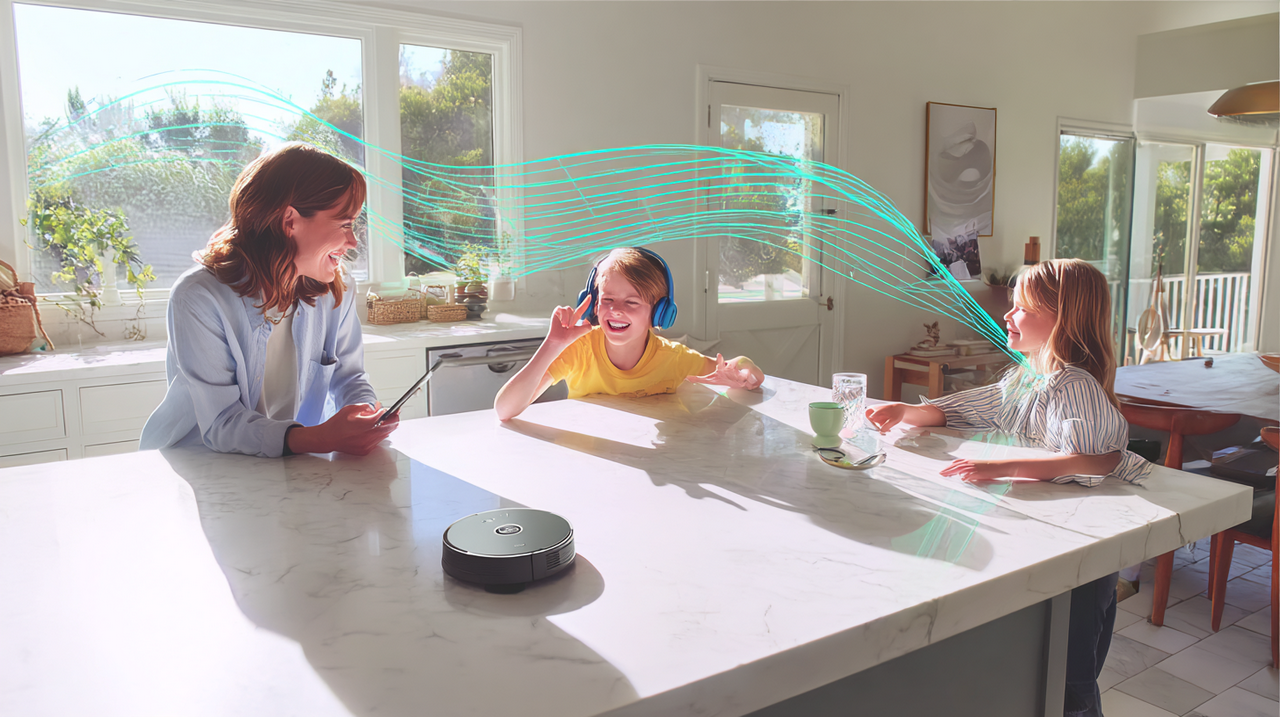
Your home is learning. Every time you adjust the thermostat, ask Alexa to play music, or let Google Assistant order groceries, you're training an invisible housemate that never sleeps, never forgets, and increasingly makes decisions on your behalf. The smart home revolution promised convenience, but it's delivering something far more complex: a fundamental transformation of domestic space, family relationships, and personal autonomy.

The statistics paint a striking picture. The global AI in smart home technology market reached $12.7 billion in 2023 and is predicted to soar to $57.3 billion by 2031, growing at 21.3 per cent annually. By 2024, more than 375 million AI-centric households exist worldwide, with smart speaker users expected to reach 400 million. These aren't just gadgets; they're autonomous agents embedding themselves into the fabric of family life.

But as these AI systems gain control over everything from lighting to security, they're raising urgent questions about who really runs our homes. Are we directing our domestic environments, or are algorithms quietly nudging our behaviour in ways we barely notice? And what happens to family dynamics when an AI assistant becomes the household's de facto decision-maker, mediator, and memory-keeper?

When Your House Has an Opinion

The smart home of 2025 isn't passive. Today's AI-powered residences anticipate needs, learn preferences, and make autonomous decisions. Amazon's Alexa Plus, powered by generative AI and free with Prime, represents this evolution. More than 600 million Alexa devices worldwide understand context, recognise individual family members, and create automations through conversation.

Google's Gemini assistant and Apple's revamped Siri follow similar paths. At the 2024 Consumer Electronics Show, LG Electronics unveiled an AI agent using robotics that moves through homes, learns routines, and carries on sophisticated conversations. These aren't prototypes; they're commercial products shipping today.

The technical capabilities have expanded dramatically. Version 1.4 of the Matter protocol, released in November 2024, introduced support for batteries, solar systems, water heaters, and heat pumps. Matter, founded by Amazon, Apple, Google, and the Connectivity Standards Alliance, aims to solve the interoperability nightmare plaguing smart homes for years. The protocol enables devices from different manufacturers to communicate seamlessly, creating truly integrated home environments rather than competing ecosystems locked behind proprietary walls.

This interoperability accelerates a crucial shift from individual smart devices to cohesive AI agents managing entire households. Voice assistants represented 33.04 per cent of the AI home automation market in 2024, valued at $6.77 billion, projected as the fastest-growing segment at 34.49 per cent annually through 2029. The transformation isn't about market share; it's about how these systems reshape the intimate spaces where families eat, sleep, argue, and reconcile.

The New Household Dynamic: Who's Really in Charge?

When Brandon McDaniel and colleagues at the Parkview Mirro Center for Research and Innovation studied families' relationships with conversational AI agents, they discovered something unexpected: attachment-like behaviours. Their 2025 research in Family Relations found that approximately half of participants reported daily digital assistant use, with many displaying moderate attachment-like behaviour towards their AI companions.

“As conversational AI becomes part of people's environments, their attachment system may become activated,” McDaniel's team wrote. While future research must determine whether these represent true human-AI attachment, the implications for family dynamics are already visible. Higher frequency of use correlated with higher attachment-like behaviour and parents' perceptions of both positive and negative impacts.

When children develop attachment-like relationships with Alexa or Google Assistant, what happens to parent-child dynamics? A study of 305 Dutch parents with children aged three to eight found motivation for using voice assistants stemmed primarily from enjoyment, especially when used together with their children. However, parents perceived that dependence on AI increased risks to safety and privacy.

Family dynamics grow increasingly complex when AI agents assume specific household roles. A 2025 commentary in Family Relations explored three distinct personas: home maintainer, guardian, or companion. Each reshapes family relationships differently.

As a home maintainer, AI systems manage thermostats, lighting, and appliances, theoretically reducing household management burdens. But this seemingly neutral function can shift the gender division of chores and introduce new forms of control through digital housekeeping. Brookings Institution research highlights this paradox: nearly 40 per cent of domestic chores could be automated within a decade, yet history suggests caution. Washing machines and dishwashers, introduced as labour-saving devices over a century ago, haven't eliminated the gender gap in household chores. These tools reduced time on specific tasks but shifted rather than alleviated the broader burden of care work.

The guardian role presents even thornier ethical terrain. AI monitoring household safety reshapes intimate surveillance practices within families. When cameras track children's movements, sensors report teenagers' comings and goings, algorithms analyse conversations for signs of distress, traditional boundaries blur. Parents gain unprecedented monitoring capabilities, but at what cost to children's autonomy and trust?

As a companion, domestic AI shapes or is shaped by existing household dynamics in ways researchers are only beginning to understand. When families turn to AI for entertainment, information, and even emotional support, these systems become active participants in family life rather than passive tools. The question isn't whether this is happening; it's what it means for human relationships when algorithms mediate family interactions.

The Privacy Paradox: Convenience Versus Control

The smart home operates on a fundamental exchange: convenience for data. Every interaction generates behavioural information flowing to corporate servers, where it's analysed, packaged, and often sold to third parties. This data collection apparatus represents what Harvard professor Shoshana Zuboff termed “surveillance capitalism” in her influential work.

Zuboff defines it as “the unilateral claiming of private human experience as free raw material for translation into behavioural data, which are then computed and packaged as prediction products and sold into behavioural futures markets.” Smart home devices epitomise this model perfectly. ProPublica reported breathing machines for sleep apnea secretly send usage data to health insurers, where the information justifies reduced payments. If medical devices engage in such covert collection, what might smart home assistants be sharing?

The technical reality reinforces these concerns. A 2021 YouGov survey found 60 to 70 per cent of UK adults believe their smartphones and smart speakers listen to conversations unprompted. A PwC study found 40 per cent of voice assistant users still worry about what happens to their voice data. These aren't baseless fears; they reflect the opacity of data collection practices in smart home ecosystems.

Academic research confirms the privacy vulnerabilities. An international team led by IMDEA Networks and Northeastern University found opaque Internet of Things devices inadvertently expose sensitive data within local networks: device names, unique identifiers, household geolocation. Companies can harvest this information without user awareness. Among a control group, 91 per cent experienced unwanted Alexa recordings, and 29.2 per cent reported some contained sensitive information.

The security threats extend beyond passive data collection. Security researcher Matt Kunze discovered a flaw in Google Home speakers allowing hackers to install backdoor accounts, enabling remote control and transforming the device into a listening device. Google awarded Kunze $107,500 for responsibly disclosing the threat. In 2019, researchers demonstrated hackers could control these devices from 360 feet using a laser pointer. These vulnerabilities aren't theoretical; they're actively exploited attack vectors in homes worldwide.

Yet users continue adopting smart home technology at accelerating rates. Researchers describe this phenomenon as “privacy resignation,” a state where users understand risks but feel powerless to resist convenience and social pressure to participate in smart home ecosystems. Studies show users express few initial privacy concerns, but their rationalisations indicate incomplete understanding of privacy risks and complicated trust relationships with device manufacturers.

Users' mental models about smart home assistants are often limited to their household and the vendor, even when using third-party skills that access their data. This incomplete understanding leaves users vulnerable to privacy violations they don't anticipate and can't prevent using existing tools.

The Autonomy Question: Who Decides?

Personal autonomy sits at the heart of the smart home dilemma. The concept encompasses the freedom to make meaningful choices about one's life without undue external influence. AI home agents challenge this freedom in subtle but profound ways.

Consider the algorithmic nudge. Smart homes don't merely respond to preferences; they shape them. When your thermostat learns your schedule and adjusts automatically, you're ceding thermal control to an algorithm. When your smart refrigerator suggests recipes based on inventory analysis, it's influencing your meal decisions. When lighting creates ambience based on time and detected activities, it's architecting your home environment according to its programming, not necessarily your conscious preferences.

These micro-decisions accumulate into macro-influence. Researchers describe this phenomenon as “hypernudging,” a dynamic, highly personalised, opaque form of regulating choice architectures through big data techniques. Unlike traditional nudges, which are relatively transparent and static, hypernudges adapt in real-time through continuous data collection and analysis, making them harder to recognise and resist.

Manipulation concerns intensify when considering how AI agents learn and evolve. Machine learning systems optimise for engagement and continued use, not necessarily for users' wellbeing. When a voice assistant learns certain response types keep you interacting longer, it might prioritise those patterns even if they don't best serve your interests. System goals and your goals can diverge without your awareness.

Family decision-making processes shift under AI influence. A study exploring families' visions of AI agents for household safety found participants wanted to communicate and make final decisions themselves, though acknowledging agents might offer convenient or less judgemental channels for discussing safety issues. Children specifically expressed a desire for autonomy to first discuss safety issues with AI, then discuss them with parents using their own terms.

This finding reveals the delicate balance families seek: using AI as a tool without ceding ultimate authority to algorithms. But maintaining this balance requires technical literacy, vigilance, and control mechanisms that current smart home systems rarely provide.

Autonomy challenges magnify for vulnerable populations. Older adults and individuals with disabilities often benefit tremendously from AI-assisted living, gaining independence they couldn't achieve otherwise. Smart home technologies enable older adults to live autonomously for extended periods, with systems swiftly detecting emergencies and deviations in behaviour patterns. Yet researchers emphasise these systems must enhance rather than diminish user autonomy, supporting independence while respecting decision-making abilities.

A 2025 study published in Frontiers in Digital Health argued AI surveillance in elder care must “begin with a moral commitment to human dignity rather than prioritising safety and efficiency over agency and autonomy.” The research found older adults' risk perceptions and tolerance regarding independent living often differ from family and professional caregivers' perspectives. One study found adult children preferred in-home monitoring technologies more than their elderly parents, highlighting how AI systems can become tools for imposing others' preferences rather than supporting the user's autonomy.

Research reveals ongoing monitoring, even when aimed at protection, produces feelings of anxiety, helplessness, or withdrawal from ordinary activities among older adults. The technologies designed to enable independence can paradoxically undermine it, transforming homes from private sanctuaries into surveilled environments where residents feel constantly watched and judged.

The Erosion of Private Domestic Space

The concept of home as a private sanctuary runs deep in Western culture and law. Courts have long recognised heightened expectations of privacy within domestic spaces, providing legal protections that don't apply to public venues. Smart home technology challenges these boundaries, turning private spaces into data-generating environments where every action becomes observable, recordable, and analysable.

Alexander Orlowski and Wulf Loh of the University of Tuebingen's International Center for Ethics in the Sciences and Humanities examined this transformation in their 2025 paper published in AI & Society. They argue smart home applications operate within “a space both morally and legally particularly protected and characterised by an implicit expectation of privacy from the user's perspective.”

Yet current regulatory efforts haven't kept pace with smart home environments. Collection and processing of user data in these spaces lack transparency and control. Users often remain unaware of the extent to which their data is being gathered, stored, and potentially shared with third parties. The home, traditionally a space shielded from external observation, becomes permeable when saturated with networked sensors and AI agents reporting to external servers.

This permeability affects family relationships and individual behaviour in ways both obvious and subtle. When family members know conversations might trigger smart speaker recordings, they self-censor. When teenagers realise their movements are tracked by smart home sensors, their sense of privacy and autonomy diminishes. When parents can monitor children's every activity through networked devices, traditional developmental processes of testing boundaries and building independence face new obstacles.

Surveillance extends beyond intentional monitoring. Smart home devices communicate constantly with manufacturers' servers, generating continuous data streams about household activities, schedules, and preferences. This ambient surveillance normalises the idea that homes aren't truly private spaces but rather nodes in vast corporate data collection networks.

Research on security and privacy perspectives of people living in shared home environments reveals additional complications. Housemates, family members, and domestic workers may have conflicting privacy preferences and unequal power to enforce them. When one person installs a smart speaker with always-listening microphones, everyone in the household becomes subject to potential recording regardless of their consent. The collective nature of household privacy creates ethical dilemmas current smart home systems aren't designed to address.

The architectural and spatial experience of home shifts as well. Homes have traditionally provided different zones of privacy, from public living spaces to intimate bedrooms. Smart home sensors blur these distinctions, creating continuous surveillance that erases gradients of privacy. The bedroom monitored by a smart speaker isn't fully private; the bathroom with a voice-activated assistant isn't truly solitary. The psychological experience of home as refuge diminishes when you can't be certain you're unobserved.

Children Growing Up With AI Companions

Perhaps nowhere are the implications more profound than in childhood development. Today's children are the first generation growing up with AI agents as household fixtures, encountering Alexa and Google Assistant as fundamental features of their environment from birth.

Research on virtual assistants in family homes reveals these devices are particularly prevalent in households with young children. A Dutch study of families with children aged three to eight found families differ mainly in parents' digital literacy skills, frequency of voice assistant use, trust in technology, and preferred degree of child media mediation.

But what are children learning from these interactions? Voice-activated virtual assistants provide quick answers to children's questions, potentially reducing the burden on parents to be constant sources of information. They can engage children in educational conversations and provide entertainment. Yet they also model specific interaction patterns and relationship dynamics that may shape children's social development in ways researchers are only beginning to understand.

When children form attachment-like relationships with AI assistants, as McDaniel's research suggests is happening, what does this mean for their developing sense of relationships, authority, and trust? Unlike human caregivers, AI assistants respond instantly, never lose patience, and don't require reciprocal care. They provide information without the uncertainty and nuance that characterise human knowledge. They offer entertainment without the negotiation that comes with asking family members to share time and attention.

These differences might seem beneficial on the surface. Children get immediate answers and entertainment without burdening busy parents. But developmental psychologists emphasise the importance of frustration tolerance, delayed gratification, and learning to navigate imperfect human relationships. When AI assistants provide frictionless interactions, children may miss crucial developmental experiences that shape emotional intelligence and social competence.

The data collection dimension adds another layer of concern. Children interacting with smart home devices generate valuable behavioural data that companies use to refine their products and potentially target marketing. Parents often lack full visibility into what data is collected, how it's analysed, and who has access to it. The global smart baby monitor market alone was valued at approximately $1.2 billion in 2023, with projections to reach over $2.5 billion by 2030, while the broader “AI parenting” market could reach $20 billion within the next decade. These figures represent significant commercial interest in monitoring and analysing children's behaviour.

Research on technology interference or “technoference” in parent-child relationships reveals additional concerns. A cross-sectional study found parents reported an average of 3.03 devices interfered daily with their interactions with children. Almost two-thirds of parents agreed they were worried about the impact of their mobile device use on their children and believed a computer-assisted coach would help them notice more quickly when device use interferes with caregiving.

The irony is striking: parents turn to AI assistants partly to reduce technology interference, yet these assistants represent additional technology mediating family relationships. The solution becomes part of the problem, creating recursive patterns where technology addresses issues created by technology, each iteration generating more data and deeper system integration.

Proposed Solutions and Alternative Futures

Recognition of smart home privacy and autonomy challenges has sparked various technical and regulatory responses. Some researchers and companies are developing privacy-preserving technologies that could enable smart home functionality without comprehensive surveillance.

Orlowski and Loh's proposed privacy smart home meta-assistant represents one technical approach. This system would provide real-time transparency, displaying which devices are collecting data, what type of data is being gathered, and where it's being sent. It would enable selective data blocking, allowing users to disable specific sensors or functions without turning off entire devices. The meta-assistant concept aims to shift control from manufacturers to users, creating genuine data autonomy within smart home environments.

Researchers at the University of Michigan developed PrivacyMic, which uses ultrasonic sound at frequencies above human hearing range to enable smart home functionality without eavesdropping on audible conversations. This technical solution addresses one of the most sensitive aspects of smart home surveillance: always-listening microphones in intimate spaces.

For elder care applications, researchers are developing camera-based monitoring systems that address dual objectives of privacy and safety using AI-driven techniques for real-time subject anonymisation. Rather than traditional pixelisation or blurring, these systems replace subjects with two-dimensional avatars. Such avatar-based systems can reduce feelings of intrusion and discomfort associated with constant monitoring, thereby aligning with elderly people's expectations for dignity and independence.

A “Dignity-First” framework proposed by researchers includes informed and ongoing consent as a dynamic process, with regular check-in points and user-friendly settings enabling users or caregivers to modify permissions. This approach recognises that consent isn't a one-time event but an ongoing negotiation that must adapt as circumstances and preferences change.

Regulatory approaches are evolving as well, though they lag behind technological development. Data protection frameworks like the European Union's General Data Protection Regulation establish principles of consent, transparency, and user control that theoretically apply to smart home devices. However, enforcement remains challenging, and many users struggle to exercise their nominal rights due to complex interfaces and opaque data practices.

The Matter protocol's success in establishing interoperability standards demonstrates that industry coordination on technical specifications is achievable. Similar coordination on privacy and security standards could establish baseline protections across smart home ecosystems. The Connectivity Standards Alliance could expand its mandate beyond device communication to encompass privacy protocols, creating industry-wide expectations for data minimisation, transparency, and user control.

Consumer education represents another crucial component. Research consistently shows users have incomplete mental models of smart home privacy risks and limited understanding of how data flows through these systems. Educational initiatives could help users make more informed decisions about which devices to adopt, how to configure them, and what privacy trade-offs they're accepting.

Some families are developing their own strategies for managing AI agents in household contexts. These include establishing device-free zones or times, having explicit family conversations about AI use and privacy expectations, teaching children to question and verify AI-provided information, and regularly reviewing and adjusting smart home configurations and permissions.

The Path Forward: Reclaiming Domestic Agency

The smart home revolution isn't reversible, nor should it necessarily be. AI agents offer genuine benefits for household management, accessibility, energy efficiency, and convenience. The challenge isn't to reject these technologies but to ensure they serve human values rather than subordinating them to commercial imperatives.

This requires reconceptualising the relationship between households and AI agents. Rather than viewing smart homes as consumer products that happen to collect data, we must recognise them as sociotechnical systems that reshape domestic life, family relationships, and personal autonomy. This recognition demands different design principles, regulatory frameworks, and social norms.

Design principles should prioritise transparency, user control, and reversibility. Smart home systems should clearly communicate what data they collect, how they use it, and who can access it. Users should have granular control over data collection and device functionality, with the ability to disable specific features without losing all benefits. Design should support reversibility, allowing users to disengage from smart home systems without losing access to their homes' basic functions.

Regulatory frameworks should establish enforceable standards for data minimisation, requiring companies to collect only data necessary for providing services users explicitly request. They should mandate interoperability and data portability, preventing vendor lock-in and enabling users to switch between providers. They should create meaningful accountability mechanisms with sufficient penalties to deter privacy violations and security negligence.

Social norms around smart homes are still forming. Families, communities, and societies have opportunities to establish expectations about appropriate AI agent roles in domestic spaces. These norms might include conventions about obtaining consent from household members before installing monitoring devices, expectations for regular family conversations about technology use and boundaries, and cultural recognition that some aspects of domestic life should remain unmediated by algorithms.

Educational initiatives should help users understand smart home systems' capabilities, limitations, and implications. This includes technical literacy about how devices work and data flows, but also broader critical thinking about what values and priorities should govern domestic technology choices.

The goal isn't perfect privacy or complete autonomy; both have always been aspirational rather than absolute. The goal is ensuring that smart home adoption represents genuine choice rather than coerced convenience, that the benefits accrue to users rather than extracting value from them, and that domestic spaces remain fundamentally under residents' control even as they incorporate AI agents.

Research by family relations scholars emphasises the importance of communication and intentionality. When families approach smart home adoption thoughtfully, discussing their values and priorities, establishing boundaries and expectations, and regularly reassessing their technology choices, AI agents can enhance rather than undermine domestic life. When they adopt devices reactively, without consideration of privacy implications or family dynamics, they risk ceding control of their intimate spaces to systems optimised for corporate benefit rather than household wellbeing.

Conclusion: Writing Our Own Domestic Future

As I adjust my smart thermostat while writing this, ask my voice assistant to play background music, and let my robotic vacuum clean around my desk, I'm acutely aware of the contradictions inherent in our current moment. We live in homes that are simultaneously more convenient and more surveilled, more automated and more controlled by external actors, more connected and more vulnerable than ever before.

The question isn't whether AI agents will continue proliferating through our homes; market projections make clear that they will. The United States smart home market alone is expected to reach over $87 billion by 2032, with the integration of AI with Internet of Things devices playing a crucial role in advancement and adoption. Globally, the smart home automation market is estimated to reach $254.3 billion by 2034, growing at a compound annual growth rate of 13.7 per cent.

The question is whether this proliferation happens on terms that respect human autonomy, dignity, and the sanctity of domestic space, or whether it continues along current trajectories that prioritise corporate data collection and behaviour modification over residents' agency and privacy.

The answer depends on choices made by technology companies, regulators, researchers, and perhaps most importantly, by individuals and families deciding how to incorporate AI agents into their homes. Each choice to demand better privacy protections, to question default settings, to establish family technology boundaries, or to support regulatory initiatives represents a small act of resistance against the passive acceptance of surveillance capitalism in our most intimate spaces.

The home has always been where we retreat from public performance, where we can be ourselves without external judgement, where family bonds form and individual identity develops. As AI agents increasingly mediate these spaces, we must ensure they remain tools serving household residents rather than corporate proxies extracting value from our domestic lives.

The smart home future isn't predetermined. It's being written right now through the collective choices of everyone navigating these technologies. We can write a future where AI agents enhance human flourishing, support family relationships, and respect individual autonomy. But doing so requires vigilance, intention, and willingness to prioritise human values over algorithmic convenience.

The invisible housemate is here to stay. The question is: who's really in charge?


Sources and References

  1. InsightAce Analytic. (2024). “AI in Smart Home Technology Market Analysis and Forecast 2024-2031.” Market valued at USD 12.7 billion in 2023, predicted to reach USD 57.3 billion by 2031 at 21.3% CAGR.

  2. Restack. (2024). “Smart Home AI Adoption Statistics.” Number of AI-centric houses worldwide expected to exceed 375.3 million by 2024, with smart speaker users reaching 400 million.

  3. Market.us. (2024). “AI In Home Automation Market Size, Share | CAGR of 27%.” Global market reached $20.51 billion in 2024, expected to grow to $75.16 billion by 2029 at 29.65% CAGR.

  4. Amazon. (2024). “Introducing Alexa+, the next generation of Alexa.” Over 600 million Alexa devices in use globally, powered by generative AI.

  5. Connectivity Standards Alliance. (2024). “Matter 1.4 Enables More Capable Smart Homes.” Version 1.4 released November 7, 2024, introducing support for batteries, solar systems, water heaters, and heat pumps.

  6. McDaniel, Brandon T., et al. (2025). “Emerging Ideas. A brief commentary on human–AI attachment and possible impacts on family dynamics.” Family Relations, Vol. 74, Issue 3, pages 1072-1079. Approximately half of participants reported at least daily digital assistant use with moderate attachment-like behaviour.

  7. McDaniel, Brandon T., et al. (2025). “Parent and child attachment-like behaviors with conversational AI agents and perceptions of impact on family dynamics.” Research repository, Parkview Mirro Center for Research and Innovation.

  8. ScienceDirect. (2022). “Virtual assistants in the family home: Understanding parents' motivations to use virtual assistants with their child(dren).” Study of 305 Dutch parents with children ages 3-8 using Google Assistant-powered smart speakers.

  9. Wiley Online Library. (2025). “Home maintainer, guardian or companion? Three commentaries on the implications of domestic AI in the household.” Family Relations, examining three distinct personas domestic AI might assume.

  10. Brookings Institution. (2023). “The gendered division of household labor and emerging technologies.” Nearly 40% of time spent on domestic chores could be automated within next decade.

  11. Zuboff, Shoshana. (2019). “The Age of Surveillance Capitalism: The Fight for a Human Future at the New Frontier of Power.” Harvard Business School Faculty Research. Defines surveillance capitalism as unilateral claiming of private human experience as raw material for behavioural data.

  12. Harvard Gazette. (2019). “Harvard professor says surveillance capitalism is undermining democracy.” Interview with Professor Shoshana Zuboff on surveillance capitalism's impact.

  13. YouGov. (2021). Survey finding approximately 60-70% of UK adults believe smartphones and smart speakers listen to conversations unprompted.

  14. PwC. Study finding 40% of voice assistant users have concerns about voice data handling.

  15. IMDEA Networks and Northeastern University. (2024). Research on security and privacy challenges posed by IoT devices in smart homes, finding inadvertent exposure of sensitive data including device names, UUIDs, and household geolocation.

  16. ACM Digital Library. (2018). “Alexa, Are You Listening?: Privacy Perceptions, Concerns and Privacy-seeking Behaviors with Smart Speakers.” Proceedings of the ACM on Human-Computer Interaction, Vol. 2, No. CSCW. Found 91% experienced unwanted Alexa recording; 29.2% contained sensitive information.

  17. PacketLabs. Security researcher Matt Kunze's discovery of Google Home speaker flaw enabling backdoor account installation; awarded $107,500 by Google.

  18. Nature Communications. (2024). “Inevitable challenges of autonomy: ethical concerns in personalized algorithmic decision-making.” Humanities and Social Sciences Communications, examining algorithmic decision-making's impact on user autonomy.

  19. arXiv. (2025). “Families' Vision of Generative AI Agents for Household Safety Against Digital and Physical Threats.” Study with 13 parent-child dyads investigating attitudes toward AI agent-assisted safety management.

  20. Orlowski, Alexander and Loh, Wulf. (2025). “Data autonomy and privacy in the smart home: the case for a privacy smart home meta-assistant.” AI & Society, Volume 40. International Center for Ethics in the Sciences and Humanities (IZEW), University of Tuebingen, Germany. Received March 26, 2024; accepted January 10, 2025.

  21. Frontiers in Digital Health. (2025). “Designing for dignity: ethics of AI surveillance in older adult care.” Research arguing technologies must begin with moral commitment to human dignity.

  22. BMC Geriatrics. (2020). “Are we ready for artificial intelligence health monitoring in elder care?” Examining ethical concerns including erosion of privacy and dignity, finding older adults' risk perceptions differ from caregivers'.

  23. MDPI Applied Sciences. (2024). “AI-Driven Privacy in Elderly Care: Developing a Comprehensive Solution for Camera-Based Monitoring of Older Adults.” Vol. 14, No. 10. Research on avatar-based anonymisation systems.

  24. University of Michigan. (2024). “PrivacyMic: For a smart speaker that doesn't eavesdrop.” Development of ultrasonic sound-based system enabling smart home functionality without eavesdropping.

  25. PMC. (2021). “Parents' Perspectives on Using Artificial Intelligence to Reduce Technology Interference During Early Childhood: Cross-sectional Online Survey.” Study finding parents reported mean of 3.03 devices interfered daily with child interactions.

  26. Markets and Markets. (2023). Global smart baby monitor market valued at approximately $1.2 billion in 2023, projected to reach over $2.5 billion by 2030.

  27. Global Market Insights. (2024). “Smart Home Automation Market Size, Share & Trend Report, 2034.” Market valued at $73.7 billion in 2024, estimated to reach $254.3 billion by 2034 at 13.7% CAGR.

  28. Globe Newswire. (2024). “United States Smart Home Market to Reach Over $87 Billion by 2032.” Market analysis showing integration of AI with IoT playing crucial role in advancement and adoption.

  29. Matter Alpha. (2024). “2024: The Year Smart Home Interoperability Began to Matter.” Analysis of Matter protocol's impact on smart home compatibility.

  30. Connectivity Standards Alliance. (2024). “Matter 1.3” specification published May 8, 2024, adding support for water and energy management devices and appliance support.


Tim Green

Tim Green UK-based Systems Theorist & Independent Technology Writer

Tim explores the intersections of artificial intelligence, decentralised cognition, and posthuman ethics. His work, published at smarterarticles.co.uk, challenges dominant narratives of technological progress while proposing interdisciplinary frameworks for collective intelligence and digital stewardship.

His writing has been featured on Ground News and shared by independent researchers across both academic and technological communities.

ORCID: 0009-0002-0156-9795 Email: tim@smarterarticles.co.uk

Discuss...

#HumanInTheLoop #SmartHomeAI #PrivacyEthics #DomesticAutomation